Clinical Pressure Redistribution: Why Healthcare & Wheelchair Distributors Are Sourcing 49-Cell TPU Pneumatic Cushions
1. The High Stakes of Decubitus Ulcer Prevention in Long-Term Seating
For wheelchair users, elderly care residents, and spinal cord injury patients, sitting is not merely a posture—it is an all-day physiological challenge. Static seated interface pressures exceeding 32 mmHg over bony prominences (sacrum, coccyx, and ischial tuberosities) inevitably restrict microvascular capillary perfusion. Without intervention, tissue ischemia and skin necrosis rapidly progress into Stage I–IV decubitus ulcers (pressure sores), which cost global healthcare systems billions annually in wound management and reconstructive surgery.
While multi-chamber pneumatic cushions have long been recognized as the gold standard in clinical prevention, conventional options in the Western market are prohibitively expensive (0 to 0 retail). The AIRJOUR 49-Cell Air Cushion (7×7 Matrix) bridges the gap between high clinical efficacy and accessible B2B wholesale pricing, giving medical equipment distributors a commanding competitive edge.
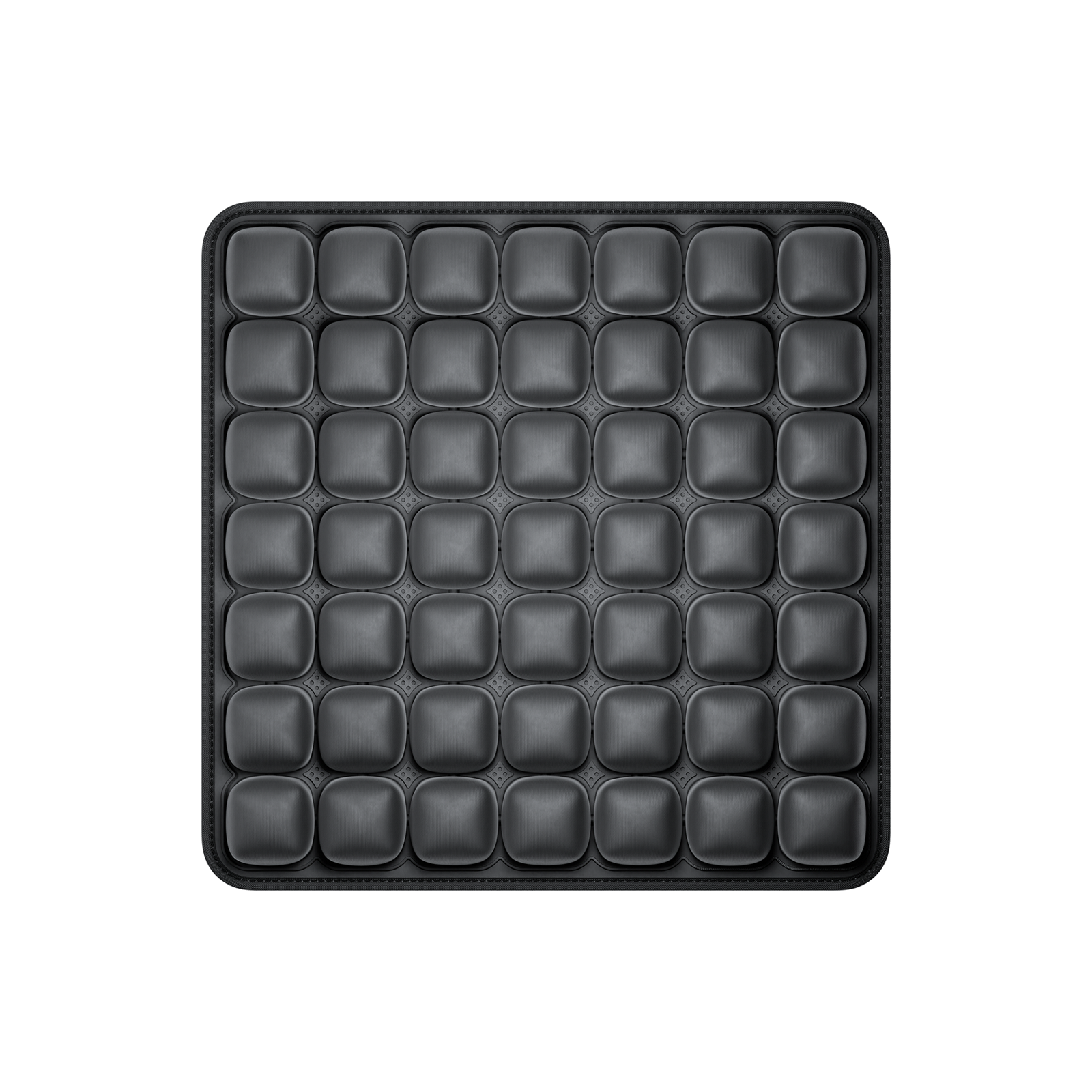
Figure 1: The 49-Cell (7×7) Matrix provides finer pressure mapping for specialized wheelchair seating.
2. Biomechanical Engineering: 49 Cells vs. 36 Cells
While the 36-cell (6×6) configuration excels in general office, automotive, and everyday ergonomics, the 49-cell (7×7) architecture was specifically engineered for clinical seating surfaces:
Higher Contact Granularity: Dividing the 45 × 45 cm seating boundary into 49 interconnected cells reduces the unit surface area per cell. This creates a finer gradient of fluid immersion, enabling the cushion to conform precisely to asymmetrical pelvic tilts and severe scoliosis contours.
5.0 cm Immersion Depth: The deeper 5.0 cm cell height permits greater pneumatic displacement. The user floats in hydrostatic suspension, achieving a peak pressure reduction exceeding 38% compared to static high-density foam.
Medical-Grade Polyether TPU Membrane: The internal air cells are constructed from high-molecular polyether TPU that is inherently resistant to bodily fluids, sweat, and disinfectant alcohols. Unlike polyester TPU or latex, polyether TPU does not dry out, crack, or harbor bacterial biofilms.
3. Clinical Comparison: Pneumatic vs. Alternating vs. Gel Wheelchair Cushions
Clinical Parameter
AIRJOUR 49-Cell TPU Cushion
Dynamic Alternating Pump Cushions
Contoured Viscoelastic Gel Pads
Power Dependence
100% Passive (Zero batteries/cords)
Requires active motor & battery recharging
Passive (No power required)
Weight for User Mobility
Approx. 450 g (Extremely portable)
2.5 – 4.0 kg (Heavy motor & tubing)
1.8 – 2.5 kg (Fatiguing for self-propulsion)
Microclimate Breathability
Deep cross-flow convective flutes
Variable depending on sheath
Poor (High shear and moisture trapping)
Cleaning & Infection Control
100% Washable & alcohol wipe friendly
Difficult due to electronic pump housings
Moderate (sheaths absorb fluids)
4. B2B Procurement: The Medical Equipment Wholesaler Advantage
Rehabilitation supply chains and durable medical equipment (DME) distributors face intense margin pressure from government reimbursement cuts and brand monopoly markups. AIRJOUR offers direct factory sourcing with comprehensive regulatory backing:
Regulatory Readiness: FDA Class I Registered, RoHS/REACH compliant, and manufactured under strict ISO 9001 quality management systems.
Massive Margin Arbitrage: While branded clinical cushions sell to end-users at 0–0, AIRJOUR’s tiered wholesale pricing (FOB .50–.50 depending on quantity and custom specifications) allows distributors to achieve 250% to 400% markups while still beating market retail prices.
Complete Turnkey Packaging: Includes medical-grade slipcovers, anti-shear Lycra tops, high-traction dotted rubber bases, and dual retention straps designed specifically for 16-inch and 18-inch standard manual and power wheelchairs.
5. Frequently Asked Questions (B2B Procurement FAQ)
Q1: Does AIRJOUR support custom medical branding and private label packaging?
A: Yes. We offer custom woven medical labels, custom logo debossing, sterile or sealed polybag packaging, and multilingual clinical instruction manuals for institutional bids.
Q2: How does the cushion handle patients of varying body weight?
A: The 49-cell cushion supports users up to 150 kg (330 lbs). Clinicians can easily adjust firmness via the precision brass or TPU rotary valve to achieve the ideal 1.5 cm clearance between the pelvic bones and the seat base.
�� Product Specifications: View Air Cushion (49 Cells) Page
👉 Institutional Inquiries: Request a Custom Medical Sourcing Quote