1. Overview & Engineering Context
When sourcing custom inflatable comfort bladders or pressure-relief products, procurement teams frequently focus on unit pricing, minimum order quantities (MOQs), and factory floor cleanliness. However, in flexible pneumatics manufacturing, the single greatest predictor of batch-to-batch yield, seam reliability, and lead time stability is the supplier's internal tooling capability.

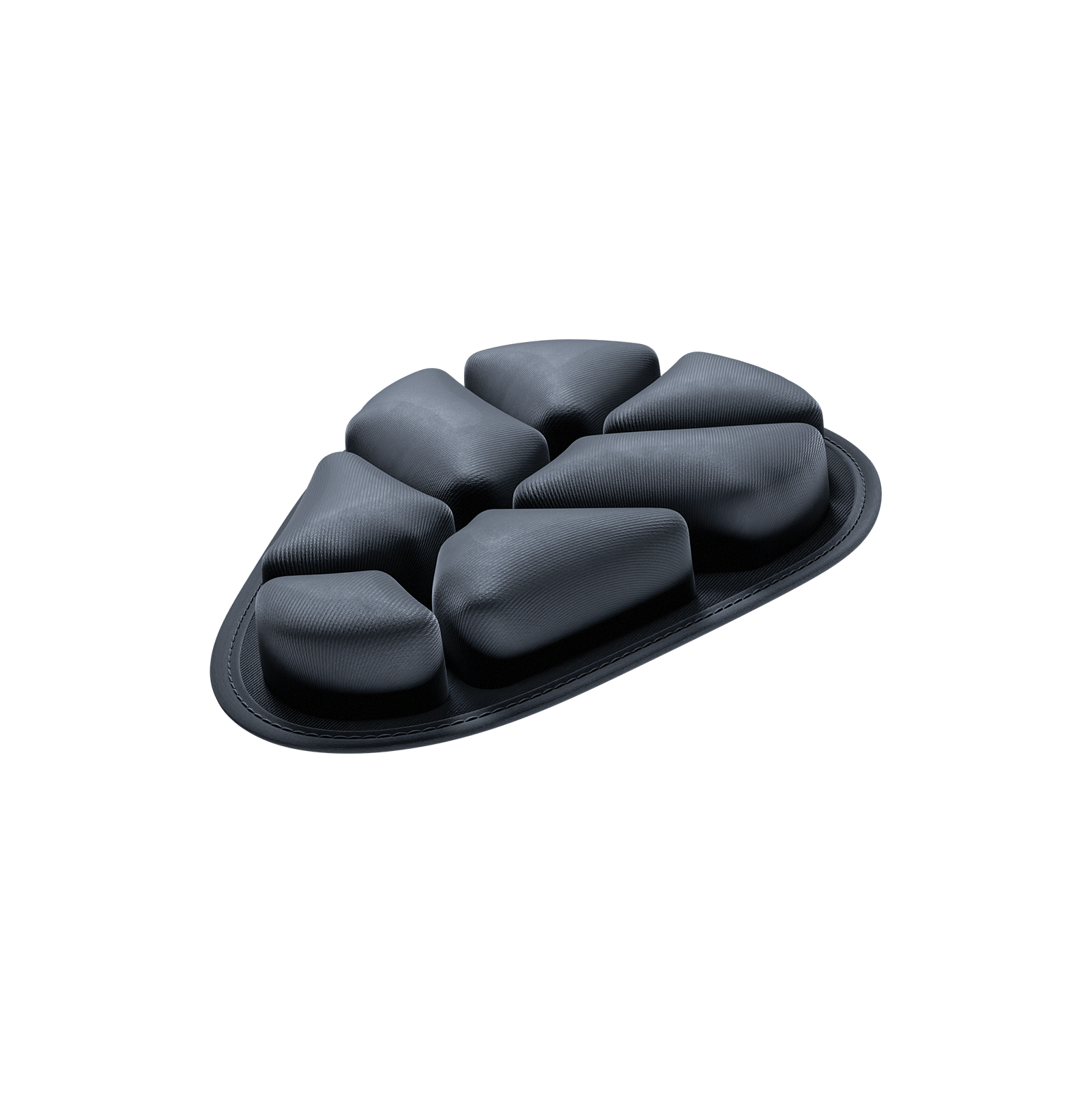
Figure 1: The B2B Sourcing Audit for Inflatable Factory Tooling: Evaluating Dielectric CNC Molds and Vacuum Jigs – Industrial design and quality implementation.
2. Failure Mechanics & Technical Analysis
A manufacturer that outsources all High-Frequency welding dies and vacuum trimming jigs to external third parties cannot rapidly iterate DFM adjustments, troubleshoot localized weld thinning, or maintain platen flatness. Conducting an on-site or technical audit of the factory's tooling shop is critical before issuing tooling purchase orders.
1. Electrode Material Selection: Brass vs Aluminum vs Steel-Rule
Low-tier suppliers use cheap bent steel-rule dies with soldered joints for complex comfort bladders. These dies flex under hydraulic platen pressure, causing non-uniform weld depths. Premium manufacturers utilize CNC-machined solid brass or aerospace-grade aluminum electrodes with integral water-cooling channels and ground planar surfaces.
2. Tooling Flatness Metrology and Platen Leveling Procedures
An electrode measuring 600mm x 400mm must maintain planar flatness within tight tolerances (typically planar runout ≤ 0.05 mm across the active tooling surface). The audit must verify whether the factory uses precision surface grinding, dial indicator bed leveling, and digital pressure-sensitive film (e.g., Fujifilm Prescale) to map pressure uniformity across the entire die surface.
3. Preventative Tool Maintenance and Arc Repair Protocols
When dielectric arcing occurs, it leaves carbon pits on the electrode face. Incompetent suppliers simply scrape the surface with sandpaper, destroying dimensional flatness. Certified facilities use precision CNC re-facing, ultrasonic cleaning, and dielectric barrier coating to preserve tool integrity over high-volume production runs.
3. DFM Parameters & Verification Matrix
| Audit Dimension | Red Flag (Tier-3 Supplier) | Gold Standard (Tier-1 Partner) | Verification Evidence |
|---|---|---|---|
| Die Construction | Bent steel rule on plywood backing | Monolithic CNC brass or billet aluminum | Inspect active tool storage racks |
| Bed Parallelism Verification | Visual inspection of flash squeeze | Prescale sensor film mapping & dial indicators | Review daily press calibration logs |
| Cooling Integration | Passive ambient air cooling | Integrated closed-loop chilled water cooling | Check chiller manifold connections on press |
| Arc Protection System | Standard mechanical fuses; frequent burnouts | Solid-state thyratron micro-arc suppression (< 10 µs) | Verify RF generator electrical schematics |
4. Frequently Asked Questions (FAQ)
Q: Why is brass preferred over aluminum for RF welding dies?
A: Brass provides an optimal combination of electrical conductivity, thermal stability, and wear resistance, and is less prone to micro-pitting during long production campaigns.
Q: How long should precision RF tooling last?
A: A CNC-machined brass electrode running on automated presses with solid-state arc suppression typically delivers hundreds of thousands of cycles before requiring re-facing.
5. Next Steps for Engineering & Sourcing Teams
Download Airjour's 25-Point Inflatable Factory Tooling Audit Matrix or request an engineering review of your tooling RFQ.