1. Overview & Engineering Context
Supply chain concentration risk, rising unit costs, and persistent delivery delays frequently force brand procurement teams to qualify a second manufacturing source. In flexible inflatable products, transferring existing High-Frequency (HF) welding dies from an incumbent supplier to a new factory is fraught with operational risk: tools that ran smoothly at the legacy facility often produce weld blowouts, cold seams, or severe flash at the new plant.

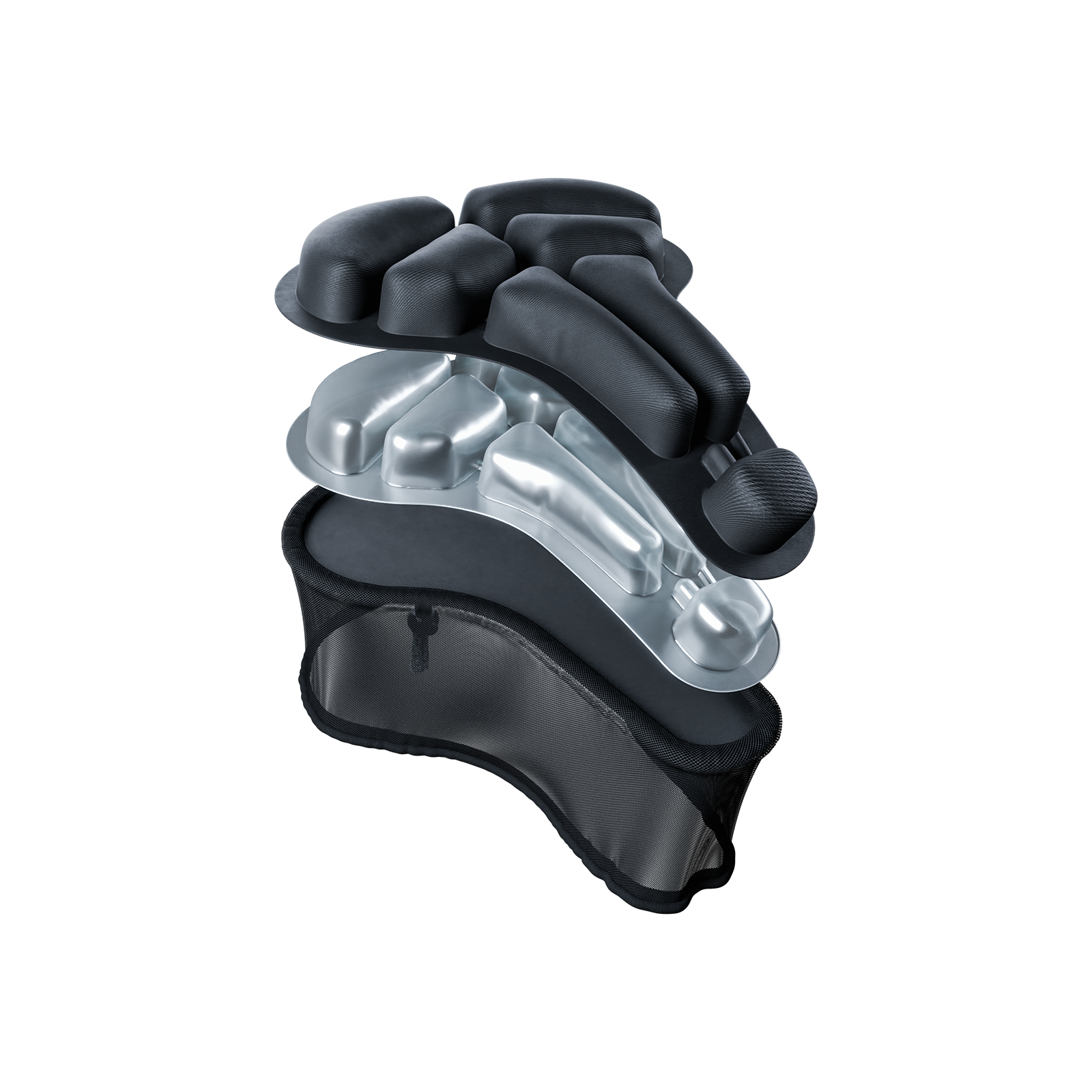
Figure 1: De-risking Inflatable Tooling Transfers to a Second-Source Manufacturer: Validation Protocol and Press Matching – Industrial design and quality implementation.
2. Failure Mechanics & Technical Analysis
The breakdown occurs because RF welding is an electro-mechanical system. A brass die is not merely a stamping tool; it is a tuned capacitor within the machine's resonant tank circuit. Differences in generator frequency stabilization, platen deflection, hydraulic ram speed, and grounding impedance require a rigorous engineering qualification protocol before mass production sign-off.
1. Press Characteristic Matching: Frequency and Capacitance Tuning
Even among 27.12 MHz industrial RF generators, tank circuit capacitance and matching networks differ. When mounting transferred tooling onto a new press, technicians must adjust the variable matching capacitors to ensure the die resonates at maximum efficiency without voltage arcing.
2. Hydraulic Ram Rigidity and Lower Ground Bed Flatness
If the legacy manufacturer used a stiff 4-pillar hydraulic press and the new supplier mounts the die on a C-frame press prone to angular deflection under high clamping tonnage, the weld seam will experience uneven pinch thickness across its length. Prescale pressure mapping must confirm platen parallelism under load.
3. Golden Tool Condition Audit and First Article Inspection (FAI)
Before mounting transferred tooling, conduct a comprehensive CMM dimensional sweep and optical profile audit to document existing wear, carbon arcing damage, or warped baseplates inherited from the previous supplier.
3. DFM Parameters & Verification Matrix
| Transfer Stage | Key Technical Task | Risk Mitigated | Documentation Required |
|---|---|---|---|
| Pre-Shipment Audit | Laser scan of electrode surfaces & sample retention | Blaming new supplier for pre-existing tool damage | Outgoing tool condition report & golden units |
| Mechanical Fit-Up | Grounding plate flatness and mounting hole verification | Misalignment during platen stroke | Platen parallelism alignment certificate |
| RF Tuning & Dwell | Dynamic resonance matching at operating frequencies | Incomplete melt or dielectric arcing | Generator power and capacitor tuning logs |
| FAI Qualification | Full mechanical, pneumatic hold, and burst testing | Shipping non-compliant production batches | First Article Inspection Report (FAIR) sign-off |
4. Frequently Asked Questions (FAQ)
Q: Is it better to transfer existing tooling or cut new duplicate dies?
A: For high-volume programs, commissioning new duplicate tooling from 3D CAD files is often safer, as it eliminates down-time at the incumbent supplier and ensures the new die is tuned to the second source's exact press geometry.
Q: How many validation cycles are recommended during tooling transfer?
A: A standard protocol requires a 50-to-100 unit pilot run subjected to dimensional, 100% burst, and 72-hour pressure retention audits before authorizing full batch production.
5. Next Steps for Engineering & Sourcing Teams
Consult Airjour's second-source engineering team to coordinate a seamless, risk-free inflatable tooling transfer or duplicate die program.