1. Overview & Operational Problem
When engineering high-support inflatable surfaces—such as firm sleep platforms, portable therapy tables, and structural seating bases—designers must choose between two distinct structural technologies: 3D Drop-Stitch composite fabric cores and High-Frequency (HF) welded TPU film baffles. Both create compartmentalized air chambers, but their operating physics, stiffness profiles, and tooling economics diverge fundamentally.

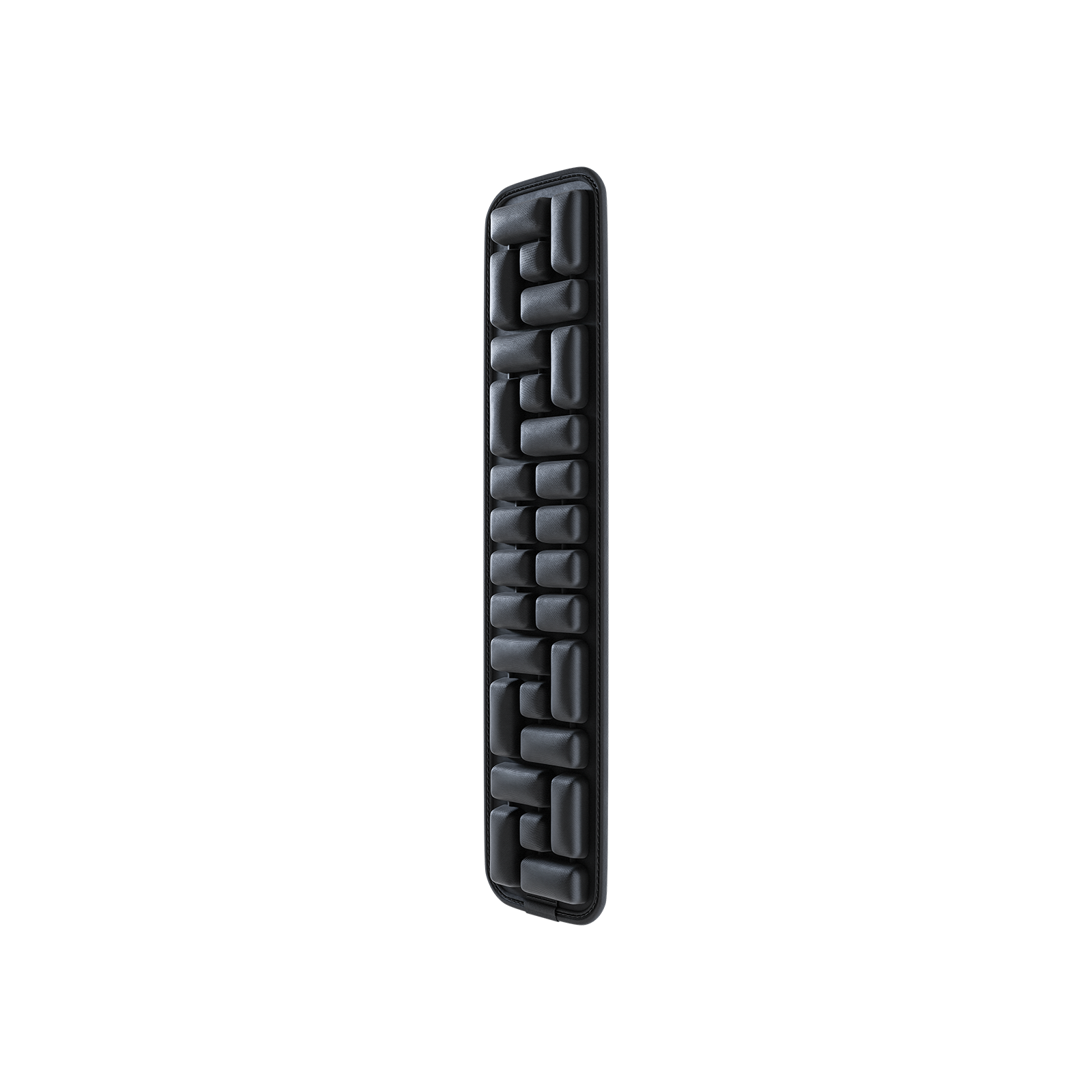
Figure 1: Drop-Stitch vs Standard TPU Baffle Construction: Structural Stiffness Comparison – Industrial engineering & quality implementation.
2. Engineering Root Causes & Failure Analysis
Conventional welded TPU baffles (I-beams or point welds) operate at low gauge pressures (0.5 to 2.5 PSI) and provide compliant, contouring ergonomics. Drop-stitch composites utilize thousands of vertical polyester spacer filaments connecting upper and lower fabric decks, enabling inflation pressures of 10 to 20+ PSI that transform flexible bladders into rock-hard, unyielding structural platforms.
1. Structural Mechanics: Tensile Filament Matrix vs Film Web Baffles
In drop-stitch construction, millions of tensioned polyester threads (typically 20,000 to 40,000 threads per square meter) lock the top and bottom surfaces in perfect parallel alignment. As internal pressure rises to 15 PSI, the vertical filaments prevent convex bulging, creating a planar surface capable of supporting heavy loads with near-zero beam deflection.
2. Ergonomic Compliance vs Rigid Structural Utility
Drop-stitch is unyielding; sitting directly on a 15-PSI drop-stitch platform feels akin to sitting on a hard wooden bench, requiring secondary foam or gel comfort layers. Conversely, welded TPU film baffles flex dynamically under human bony prominences, delivering natural ergonomic pressure redistribution without added bulk.
3. Tooling CapEx and Unit BOM Economics
Standard TPU film bladders require dedicated CNC brass tooling dies ($5,000 to $15,000 CapEx) but utilize low-cost roll-stock film with fast cycle times. Drop-stitch utilizes highly expensive woven composite yardage ($15 to $35/m²) with labor-intensive perimeter seam taping, resulting in unit BOM costs 2x to 4x higher.
3. DFM Parameters & Sourcing Verification Matrix
| Technical Dimension | Welded TPU Film Baffles | 3D Drop-Stitch Core | Design Decision Criterion |
|---|---|---|---|
| Operating Pressure Range | 0.5 - 2.5 PSI (Low pressure) | 10.0 - 20.0+ PSI (High pressure) | Drop-stitch for structural rigidity |
| Surface Planar Flatness | Slightly quilted / scalloped valleys | Dead-flat planar deck under load | Drop-stitch for flat platforms; TPU for contours |
| Ergonomic Envelopment | High (Fluid-like anatomic immersion) | Zero (Hard board-like surface) | Welded TPU for ergonomic seating & cushions |
| Deflated Pack Volume | Ultra-compact (Rolls down tight) | Bulky (Thick fabric core adds stiffness) | TPU for lightweight portable travel gear |
| Raw Material Unit BOM | Low - Moderate ($) | High - Premium ($$$$) | Welded TPU for mass-market retail price points |
4. Frequently Asked Questions (FAQ)
Q: Can drop-stitch chambers be welded using High-Frequency presses?
A: Yes, the outer perimeter and edge-tapes of TPU-coated drop-stitch fabrics can be sealed using HF dielectric presses or specialized hot-air welding equipment.
Q: What is the primary failure mode of drop-stitch bladders?
A: Thread detachment: if internal threads break under localized shock impact, the surface bulges into an unrepairable convex blister.
5. Actionable Next Steps for Technical Teams
Consult Airjour's structural engineering team to model the optimal baffle architecture for your firmness and weight targets.