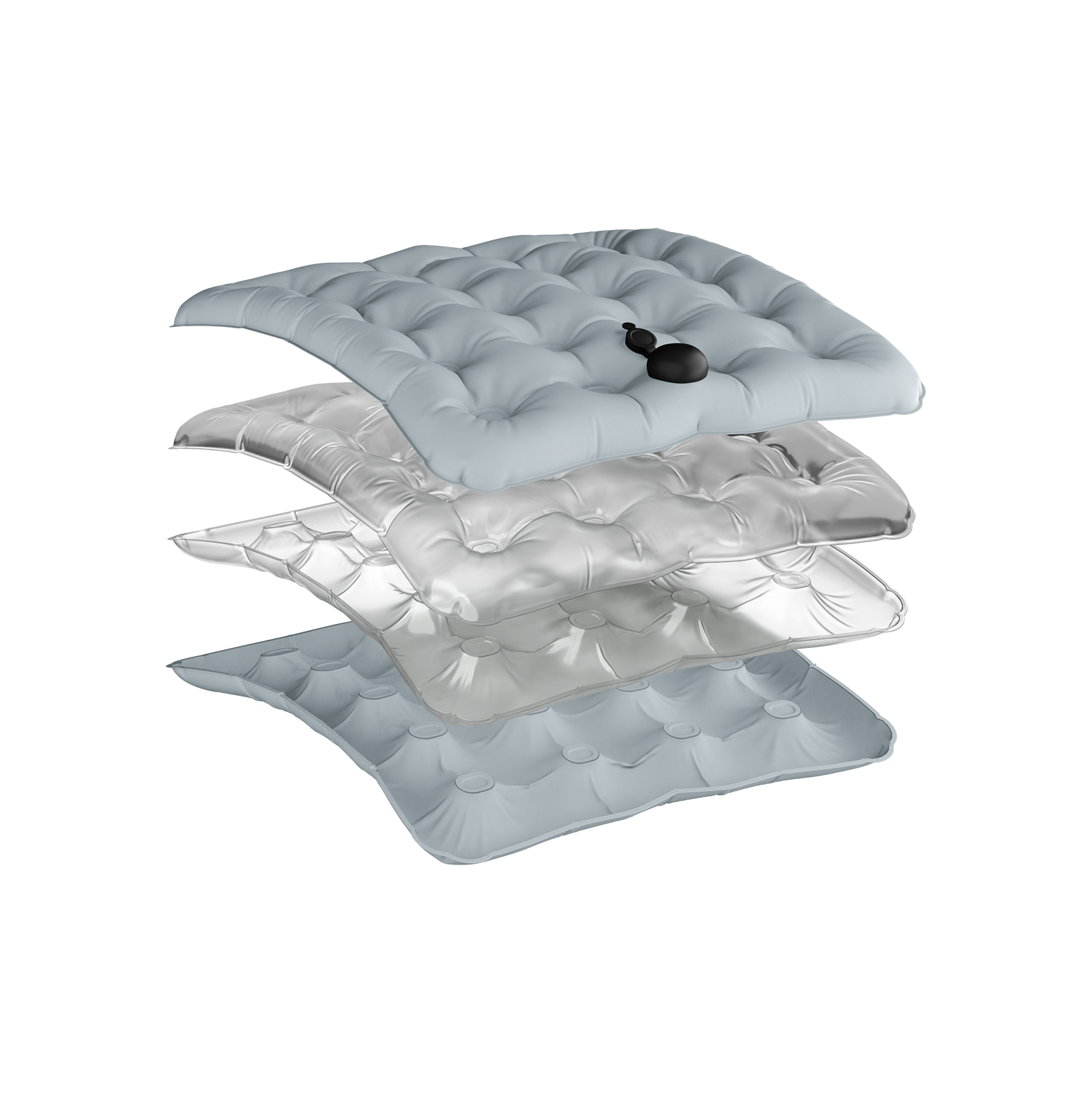
1. Overview & Operational Problem
When an electrical arc strikes between a high-voltage electrode and the ground plate, it vaporizes metal and burns deep carbon pits into the tool within milliseconds. Legacy analog fuse circuits trip too slowly, resulting in ruined brass tooling and discarded parts.

Figure 1: Electrode Spark Suppression Thyratrons: Microsecond Arc Interruption Circuits – Industrial engineering and quality implementation.
2. Engineering Root Causes & Technical Analysis
Modern Tier-1 presses integrate solid-state thyratron or MOSFET micro-arc suppression circuits that detect ionization within 5 microseconds, instantly cutting RF tank oscillator voltage before thermal energy can pit the tool surface or scorch the film.
2.1 Key Mechanical & Physics Variables
Achieving stable performance requires strict adherence to physical containment principles: managing dielectric loss factors, controlling membrane tensile hoop stresses, and maintaining uniform thermal dissipation during high-frequency welding cycles. Tooling engineers must avoid sharp stress risers and balance material thickness across the assembly.
3. DFM Parameters & Quality Verification Matrix
| Engineering Variable | Governing Standard | Critical Risk Analysis | Verification Protocol |
|---|---|---|---|
| Material Barrier Specification | ASTM D1434 / ISO 15105 | Uncontrolled gas permeability causing slow pressure decay | Incoming raw film gas transmission audit |
| Weld Seam Retained Thickness | Optical Micro-Sectioning | Over-thinning along weld notch triggering shear rupture | 50x optical microscopy verification of weld notch radius and retained film stack thickness |
| Pneumatic Pressure Hold | ASTM F2095 Differential Decay | Micro-porosities passing short water-dunk inspections | 24-hour isothermal decay hold with digital manometer |
| Dynamic Fatigue Durability | ASTM F392 / ASTM F1566 | Premature seam fatigue under repetitive human loading | Cyclic indentation rig (10,000+ cycles) |
4. Frequently Asked Questions (FAQ)
Q: How do engineers prevent micro-leakage during high-volume production scaling?
A: By enforcing closed-loop High-Frequency generator parameters, precision CNC electrode maintenance, ISO Class 8 cleanroom valve assembly, and 100% dry differential pressure decay quality gates.
Q: Why are pure Polyether TPU films favored over PVC or polyester blends?
A: Polyether TPU offers complete immunity to hydrolytic degradation and microbial growth in humid seating microclimates, contains zero migrating liquid plasticizers, and maintains elastic flexibility down to sub-zero temperatures.
5. Actionable Next Steps for Technical & Sourcing Teams
Contact Airjour's specialized flexible pneumatics engineering team to evaluate your CAD designs, audit your current supplier tooling, or coordinate a certified pilot qualification run.