1. Overview & Engineering Context
A single continuous pneumatic chamber makes a poor ergonomic support surface. When a user shifts weight or leans into a turn, air instantly rushes away from the loaded area toward regions of lower resistance. This creates the dreaded 'waterbed effect': a feeling of profound instability, rocking, and sudden pelvic tilt that induces postural fatigue.

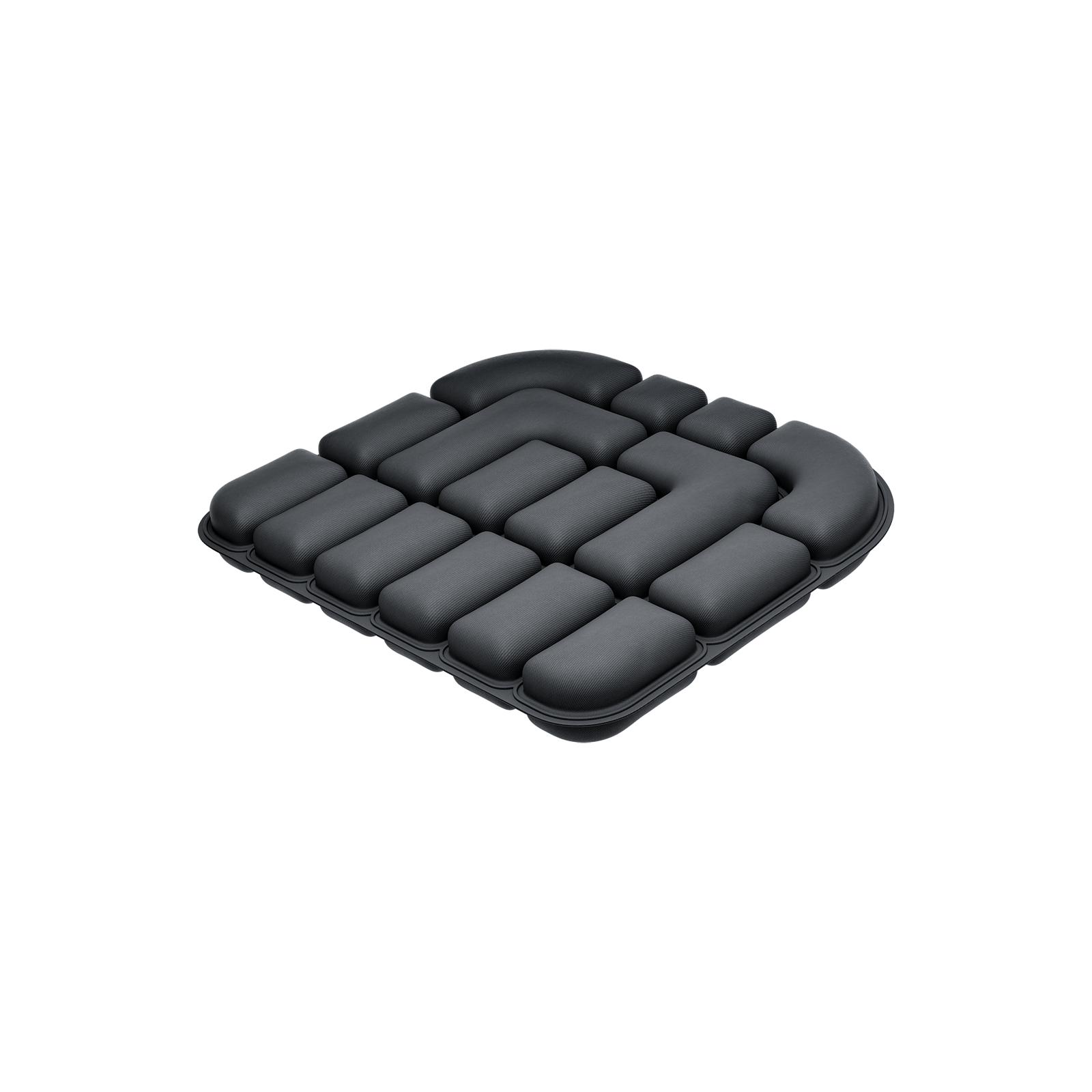
Figure 1: Internal Baffle Airflow Restrictor Design: Engineering Dynamic Stability in Ergonomic Air Cushions – Industrial design and quality implementation.
2. Failure Mechanics & Technical Analysis
Transforming an inflatable bladder into an active ergonomic support system requires dividing the chamber into interconnected multi-cell arrays with calibrated internal airflow restrictors (choke orifices). By controlling the fluid dynamics of air transfer between adjacent cells, engineers can dial in dynamic pneumatic damping that provides immediate firm support during rapid shifts while enabling gentle contouring under static posture.
1. Fluid Dynamics of Inter-Cell Airflow Restriction
When a passenger shifts, pressure differentials drive airflow through internal baffle apertures. By sizing the cross-sectional area of internal transfer conduits, the engineer creates viscous throttling. Small orifices restrict rapid surge flows, acting as pneumatic shock absorbers that prevent sudden bottoming-out.
2. Matrix vs Tubular Baffle Architectures
Linear tubular baffles restrict air primarily along one axis, suitable for sleeping pads. For 3D ergonomic seating, matrix arrays of interconnected square or hexagonal cells provide multi-directional convective airflow, dynamically equalizing ischial tuberosity pressure points.
3. Tooling Die Design for Internal Choke Ports
Internal choke apertures must be incorporated directly into the High-Frequency die tooling. The brass die must feature precision non-welded bridge gaps that form continuous, reinforced air passages without creating sharp stress-concentration notches at the opening corners.
3. DFM Parameters & Verification Matrix
| Baffle Geometry | Damping Characteristic | Ergonomic Application | Manufacturing Complexity |
|---|---|---|---|
| Single Open Chamber | Zero damping; high instability (waterbed) | Not recommended for ergonomic seating | Lowest (Simple perimeter weld) |
| Continuous I-Beam Baffles | Directional damping along channel axis | Camp mattresses, stretcher pads | Moderate (Requires internal ribbon drops) |
| Matrix Point-Weld Array | Omnidirectional convective equalization | Wheelchair cushions, task chair inserts | Moderate-High (Dielectric point array) |
| Calibrated Choke Orifice Baffles | Progressive pneumatic damping under dynamic load | Automotive, powersports, high-end seating | High (Precision bridged electrode tooling) |
4. Frequently Asked Questions (FAQ)
Q: What happens if internal choke orifices are sized too small?
A: If apertures are too restrictive, air cannot transfer fast enough to contour to the user's anatomy, causing the cushion to feel as rigid as an unyielding solid block upon initial seating.
Q: How are internal air channels reinforced against peeling?
A: The endpoints of internal weld seams must feature rounded teardrop terminations to dissipate peel forces away from the opening apex.
5. Next Steps for Engineering & Sourcing Teams
Share your seating concept with Airjour to model internal convective airflow paths and optimize multi-cell baffle tooling.