1. Overview & Operational Problem
Flexible thermoplastic bladders (TPU and PVC) provide unmatched pressure redistribution, but share a major physiological flaw: they are completely impermeable to air and water vapor. When a user sits on a solid polymer cushion for extended periods, body heat and perspiration become trapped against the impermeable membrane. The resulting hot, humid microclimate triggers discomfort, sweating, and skin tissue maceration.

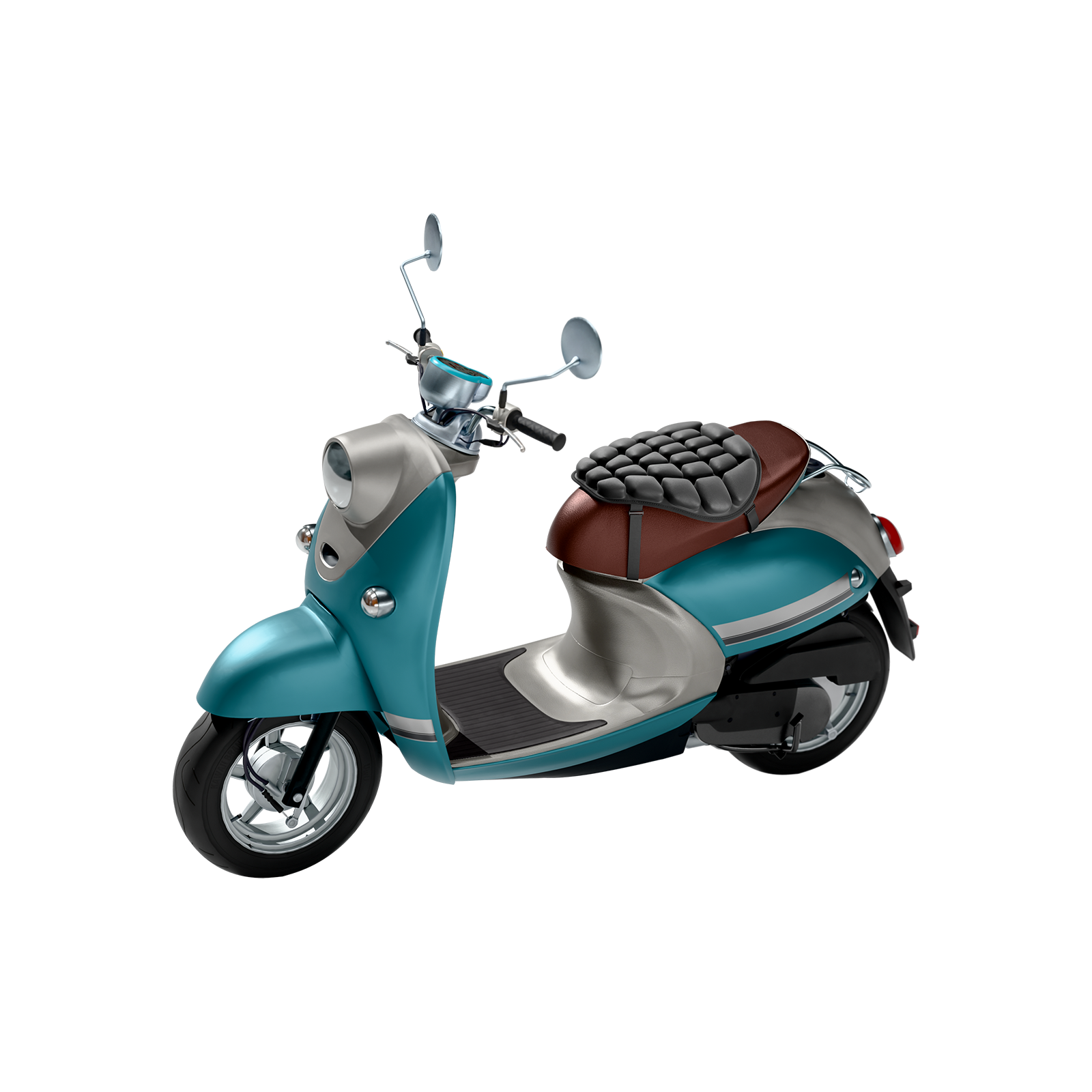
Figure 1: Micro-Ventilation Channel Engineering: Dissipating Heat and Sweat in Ergonomic Seating – Engineering and manufacturing implementation.
2. Engineering Root Causes & Failure Analysis
Transforming an impermeable air bladder into a breathable, thermo-regulated comfort system requires engineering micro-ventilation pathways directly into the pneumatic architecture. By integrating through-hole chimney welds, convective surface grooves, and vapor-permeable spacer textiles, engineers can achieve continuous passive airflow without compromising hermetic chamber integrity.
1. The Physiology of Seating Microclimates and Skin Maceration
Under sustained seated posture, skin temperature rises to 35°C–37°C while relative humidity beneath the buttocks climbs above 90%. In medical and long-haul transport seating, elevated heat and moisture soften the stratum corneum, multiplying friction and shear susceptibility by a factor of four.
2. High-Frequency Chimney Die Tooling: Through-Hole Ventilation
To introduce passive airflow through an airtight cushion, toolmakers utilize specialized HF dielectric dies that weld annular circular rings while internal punch blades cut clean through-holes in a single press cycle. These vertical chimneys allow warm air to rise and escape, drawing cool ambient air across the pelvic contact plane.
3. Convective Cross-Flow Grooving and 3D Spacer Fabric Integration
The top surface of the bladder must feature recessed air channels between adjacent pneumatic cells. Pairing these convective grooves with a thin 3D spacer mesh topper (3mm–5mm loft) creates an active pumping effect: each micro-movement of the user flexes the cells, expelling humid air out the perimeter.
3. DFM Parameters & Verification Matrix
| Ventilation Architecture | Water Vapor Permeability (g/m²·day) | Thermal Resistance Rct (m²·K/W) | Manufacturing Complexity | Best Seating Application |
|---|---|---|---|---|
| Solid Impermeable Bladder | Near 0 (Impermeable barrier) | High (> 0.08, Severe heat trap) | Lowest (Standard perimeter weld) | Short-duration or non-critical cushions |
| Welded Chimney Through-Holes | 350 - 600 (Passive convection) | Moderate (~ 0.04 - 0.05) | Moderate (Specialized punching RF die) | Office task chairs, wheelchair pads |
| Convective Cell Valley Grid | 400 - 800 (Dynamic pumping) | Low-Moderate (~ 0.035) | Moderate-High (Point-weld array) | Automotive & motorcycle seat inserts |
| Chimney + 3D Spacer Laminate | > 1,200 (Active thermoregulation) | Lowest (< 0.025, Optimal cool) | High (Multi-layer composite assembly) | Medical ICU pressure-relief mattresses |
4. Frequently Asked Questions (FAQ)
Q: Does adding through-hole chimneys increase leak risk?
A: Each welded chimney introduces an additional sealed perimeter ring. Seam integrity depends on maintaining uniform circular electrode concentricity and clean die-cutting without tears.
Q: How is cushion breathability tested objectively?
A: Breathability and thermal dissipation are measured using a Sweating Guarded Hotplate per ISO 11092, determining both thermal resistance ($R_{ct}$) and water vapor resistance ($R_{et}$).
5. Actionable Next Steps for Technical Teams
Work with Airjour's ergonomic design lab to integrate high-efficiency ventilation channels into your cushion tooling.