
Introduction: The Bridge Between Rubber and Rigid Plastic
In the global landscape of flexible product engineering—spanning medical bladders, technical outdoor gear, and smart wearable wearables—engineers are constantly forced to choose between the elasticity of vulcanized rubber and the processing efficiency of rigid thermoplastics.
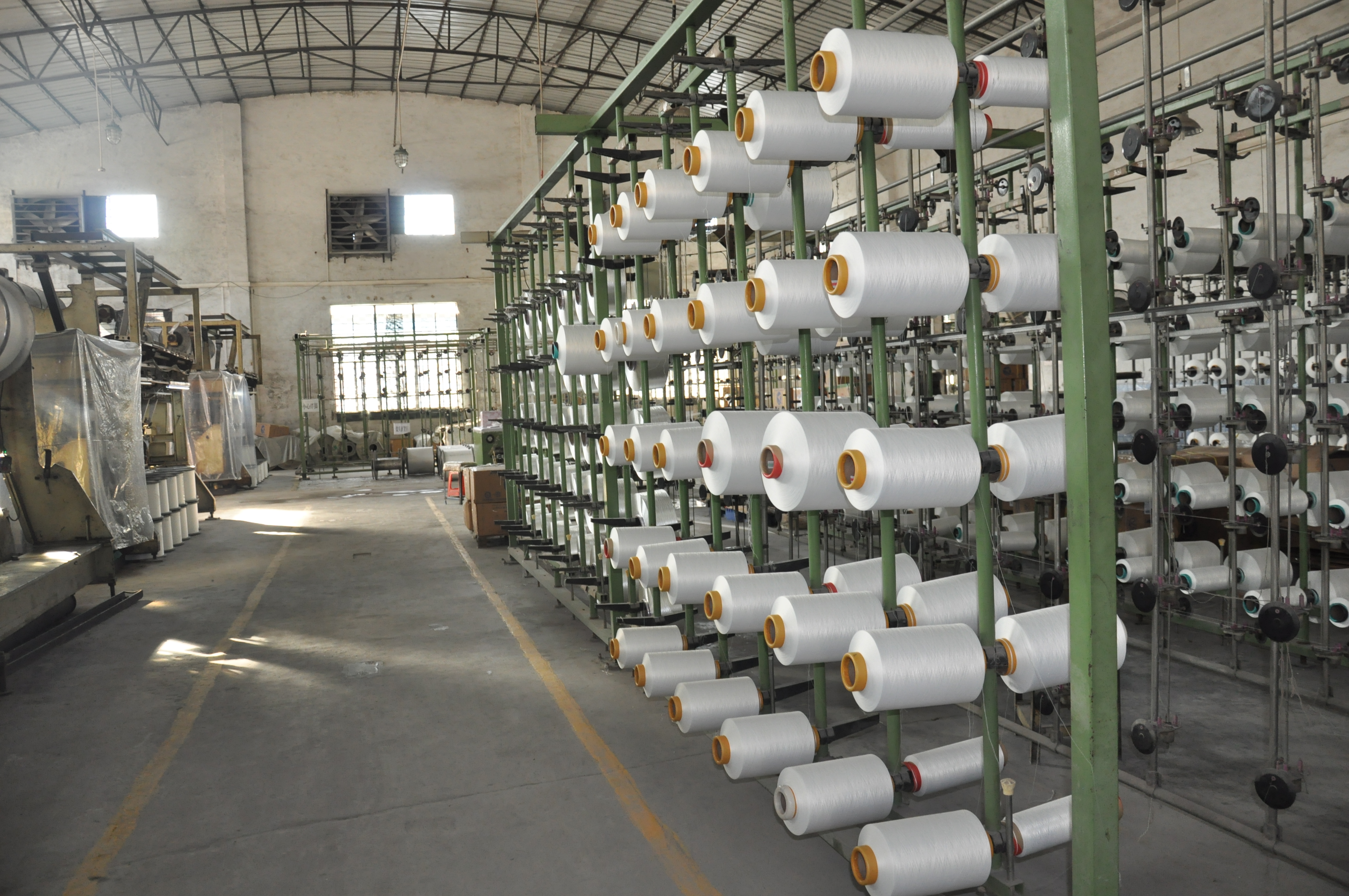
Sitting at the exact intersection of these two worlds is Thermoplastic Polyurethane (TPU). First commercialized in the mid-20th century, TPU has evolved into the definitive material for high-performance, hermetically sealed (airtight and watertight) applications. As a premier custom manufacturer, Airjour (Guangzhou Yuanqi Dynamic Technology Co., LTD) relies on the unique physics of TPU to engineer solutions that withstand extreme mechanical stress, chemical exposure, and sub-zero temperatures.
This technical guide explores the fundamental chemistry of TPU, breaks down its core manufacturing processes, and explains why it remains the superior choice for enterprise OEMs.
1. The Anatomy of TPU: Chemistry Simplified
To understand how Airjour manipulates TPU, one must examine its molecular architecture. TPU is a block copolymer consisting of alternating sequences of hard and soft segments:
- The Hard Segments (Isocyanates): These act as physical cross-links. They give the material its structural toughness, high melting point, and extreme abrasion resistance.
- The Soft Segments (Polyols): These form a flexible polymer matrix, providing the material with its remarkable elasticity, shock absorption, and low-temperature flexibility.
By adjusting the ratio of hard to soft segments during the raw material formulation, Airjour engineers can dial in the Shore Hardness of the final product—ranging from a gel-like Shore 60A (ideal for soft anti-decubitus medical cushions) to a semi-rigid Shore 80D (utilized in heavy-duty structural bladders).
The Critical OEM Sourcing Decision: Polyester vs. Polyether TPU
When custom brand owners issue an RFQ to Airjour, our R&D team immediately evaluates the product's working environment to select the correct base polyol:
- Polyester-Based TPU: Offers superior tensile strength, extreme resistance to industrial oils, hydrocarbons, and unmatched physical abrasion. (Best suited for: Airjour motorbike shock-absorbing saddles, heavy industrial pneumatic lifting bags).
- Polyether-Based TPU: Features outstanding hydrolysis resistance (it will not degrade when submerged in water over time), excellent microbial resistance, and remains highly flexible in sub-zero climates. (Best suited for: Airjour liquid-cycling cooling vests, medical hydration bladders, outdoor ski hip-protectors).
2. Core Processing Craftsmanship at Airjour
Raw TPU film is only as good as the manufacturing techniques used to manipulate it. At our 35,000 m² manufacturing facility, Airjour employs three primary conversion technologies:
A. High-Frequency (HF) / Radio Frequency (RF) Welding
This is the cornerstone of premium airbag manufacturing. Unlike basic heat sealing—which simply applies external thermal elements to melt the plastic perimeter—HF welding works on a molecular level.
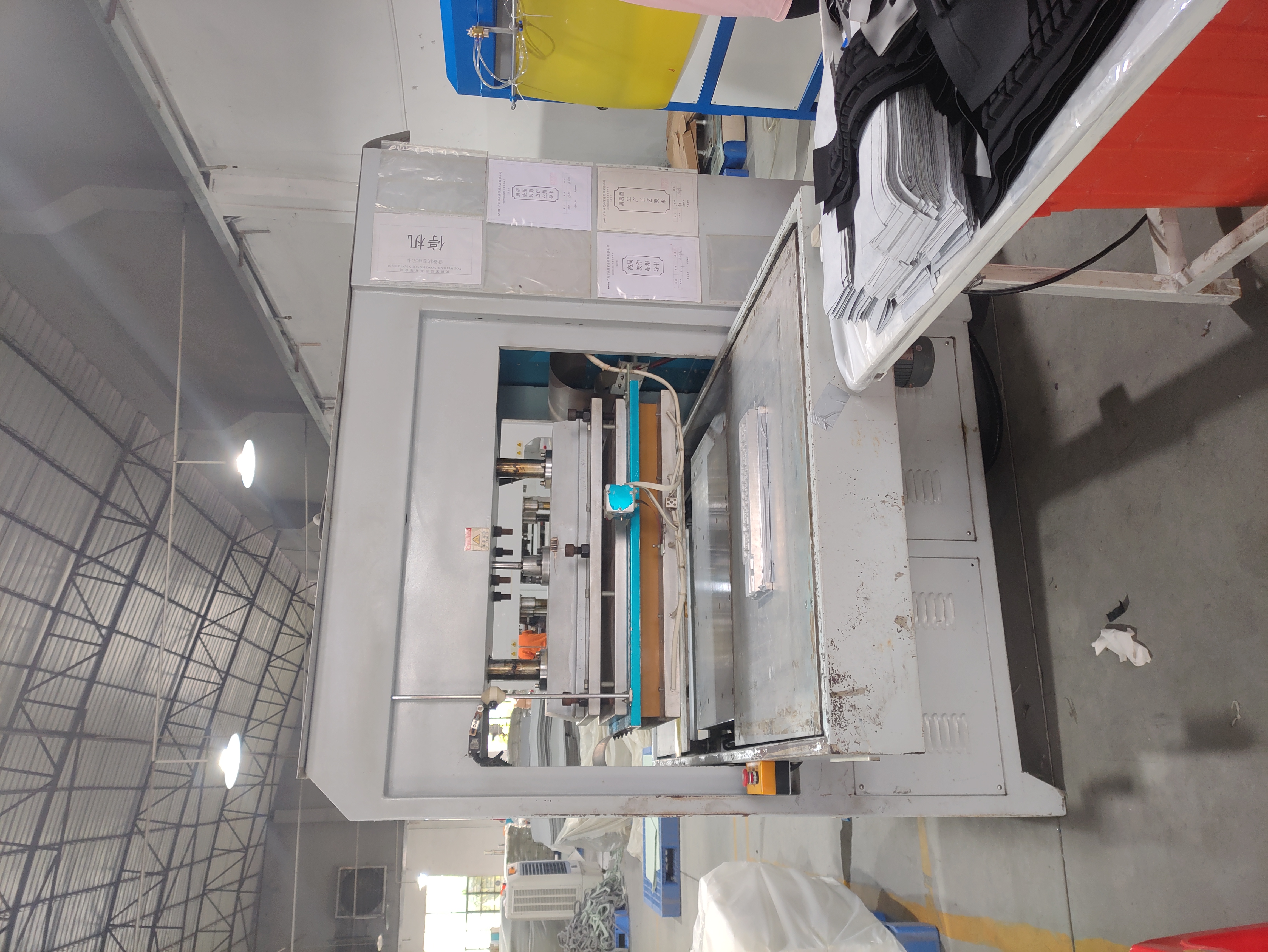
When a high-frequency electromagnetic field (typically 27.12 MHz) is applied to the TPU sheets via custom brass tooling, the polar molecules within the polyurethane instantly begin to flip millions of times per second. This rapid molecular oscillation generates internal friction, causing the TPU to melt from the inside out. When clamped under hydraulic pressure, the two separate sheets fuse into a single, continuous piece of polymer.
- The Engineering Result: Zero needle stitch holes, a 100% airtight/watertight hermetic seal, and a joint that is frequently stronger than the raw parent film itself.
B. Extrusion & Thermal Film Lamination
Pure TPU film has a tacky, rubbery tactile feel. To make it suitable for wearable items like our KD04 3D Decompression Cushion, the TPU must be mated to textiles. Airjour utilizes high-precision extrusion coating to bond raw TPU directly onto Lycra, 40D stretch Nylon, or durable Oxford fabrics without the use of toxic chemical glues. This creates a composite fabric that is skin-friendly, puncture-resistant, and entirely impermeable to air.
C. Blow Molding & 3D Thermoforming
For complex, multi-chamber ergonomic shapes (such as our cervical spine correction pillows), flat 2D welding is insufficient. Airjour utilizes controlled thermoforming, heating the TPU composite film to its precise softening point before using positive air pressure or vacuum draw to force the film into 3D CNC-machined aluminum cavity molds.
3. The Enterprise Sourcing Showdown: TPU vs. PVC
The single most common inquiry received by Airjour’s engineering support desk is: "Can we save money by using PVC instead of TPU?"
While Polyvinyl Chloride (PVC) has a lower initial raw material cost, its total lifecycle cost and mechanical limitations make it unsuitable for high-end applications. The data below illustrates why global market leaders are systematically migrating their legacy PVC product lines over to TPU:
| Performance Metric | Thermoplastic Polyurethane (TPU) | Polyvinyl Chloride (PVC) |
| Elastic Memory | High: Instantly rebounds to original geometry | Low: Suffers from permanent plastic deformation over time |
| Cold Weather Capability | Retains high flexibility down to -40°C | Becomes brittle and prone to cracking below -10°C |
| Environmental Safety | Non-toxic & Eco-friendly: Phthalate-free, biodegradable | Releases toxic plasticizers; generates dioxins upon disposal |
| Tear & Burst Strength | Exceptional (High internal pressure threshold) | Standard / Moderate |
| Weight-to-Strength Ratio | Ultra-light: Thinner films achieve higher strength | Requires thick, heavy sidewalls to prevent tearing |
4. The Airjour Engineering Standard
Supported by 20 years of advanced polymer development from the Uwin Group, Airjour does not view TPU as a simple commodity; we view it as an engineered ecosystem.
When enterprise clients collaborate with Airjour, they gain access to a fully integrated production loop: from raw material formulation analysis and custom tooling design, to high-frequency prototyping and automated mass production. By mastering the delicate balance between hard segments, soft polyols, and electromagnetic welding frequencies, Airjour ensures that every custom bladder, cushion, and cooling unit performs flawlessly in the field.