1. Overview & Engineering Context
Thermoplastic Polyurethane (TPU) is the premier material for premium inflatable comfort products due to its high elasticity, puncture resistance, and clean processing compared to PVC. However, specifying generic 'TPU' on an engineering drawing invites severe long-term product failures. The fundamental choice between Polyether-based TPU and Polyester-based TPU determines whether a seating product survives years of use or degrades into a brittle, leaking assembly.

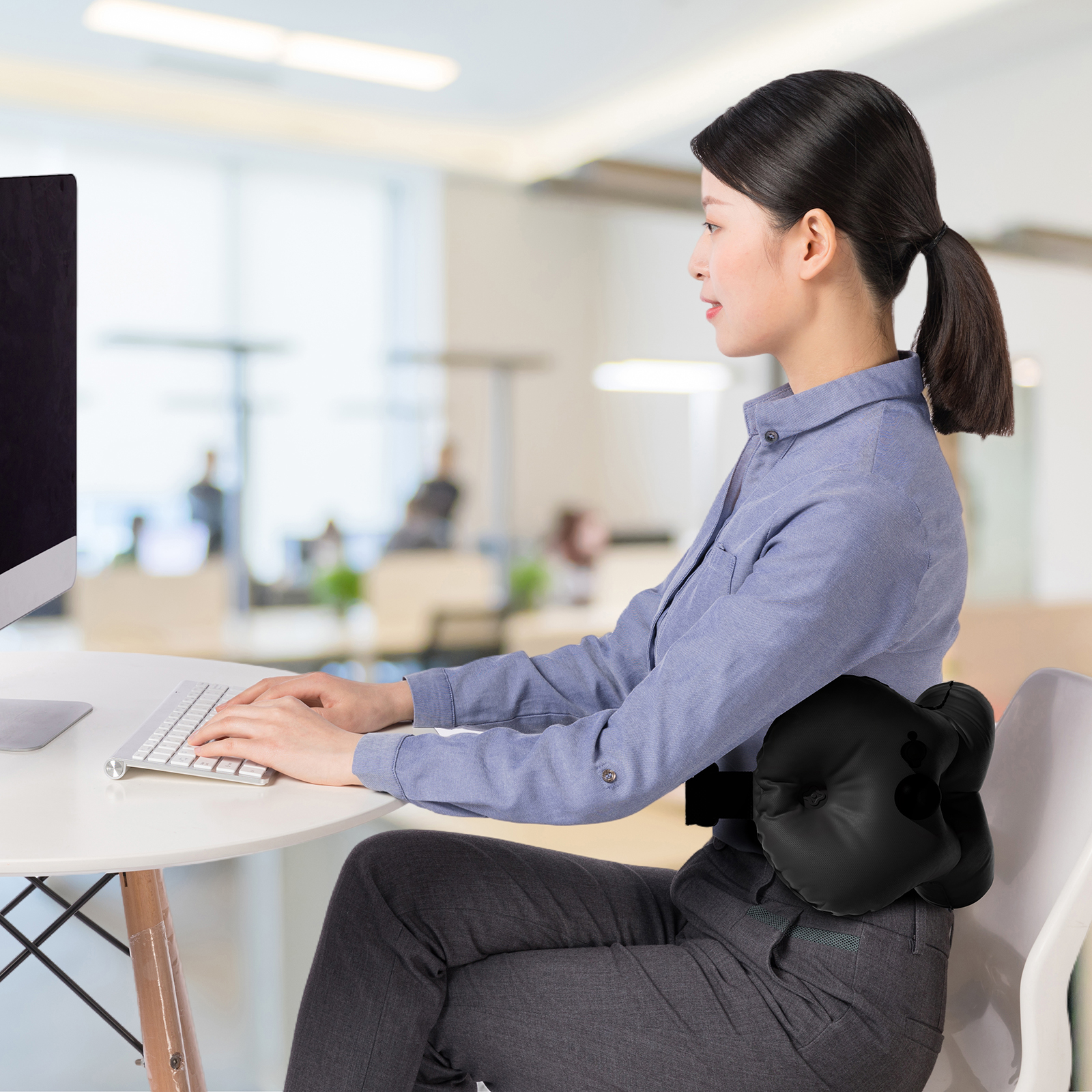
Figure 1: Polyether vs Polyester TPU in Humid Comfort Seating: Hydrolytic Stability and Microbial Resistance Guide – Industrial design and quality implementation.
2. Failure Mechanics & Technical Analysis
Comfort cushions, wheelchair pads, and wearable supports operate in demanding microclimates characterized by continuous body heat, trapped moisture, perspiration, and humidity. Under these conditions, the wrong polymer backbone will suffer catastrophic hydrolytic cleavage of its ester linkages.
1. Hydrolysis Mechanics of Polyester TPU Backbones
Polyester TPUs offer superior tensile strength, abrasion resistance, and low gas permeability. However, water molecules chemically attack the ester linkages in the polymer chain, breaking down molecular weight over 12 to 24 months in humid environments. The film becomes brittle, developing sticky surfaces and spontaneous micro-cracks along weld seams.
2. Polyether TPU: Inherent Microbial & Moisture Immunity
Polyether TPUs utilize ether linkages that are chemically immune to hydrolytic degradation. They do not break down in water and offer natural resistance to fungal and bacterial growth (ASTM G21), making them the mandatory choice for healthcare seating, marine cushions, and active wearable pneumatic bladders.
3. Gas Barrier Trade-Offs and Barrier Additives
Because polyether TPU has an inherently higher gas transmission rate than polyester TPU, engineering teams must compensate by increasing film thickness slightly (e.g., from 0.25mm to 0.35mm) or co-extruding a thin EVOH barrier layer when ultra-long-term static pressure retention is mandated.
3. DFM Parameters & Verification Matrix
| Property / Performance | Polyether-Based TPU | Polyester-Based TPU | Selection Recommendation |
|---|---|---|---|
| Hydrolytic Stability | Excellent (Immune to water degradation) | Poor (Degrades under heat & moisture) | Polyether for humid seating & skin contact |
| Microbial / Fungal Resistance | High (Resists bacterial attack per ASTM G21) | Low (Requires antimicrobial additives) | Polyether for medical and patient support |
| Gas Barrier (O2/N2 Permeability) | Moderate (Higher diffusion coefficient) | Superior (Tighter molecular structure) | Polyester for dry industrial containment |
| Low-Temperature Flexibility | Retains elasticity down to -40°C | Stiffens significantly below -10°C | Polyether for cold outdoor applications |
| Abrasion & Tear Resistance | Very Good | Exceptional | Polyester for high-friction outer shells |
4. Frequently Asked Questions (FAQ)
Q: How can incoming inspection verify if a film is polyether or polyester?
A: Utilize Fourier Transform Infrared Spectroscopy (FTIR); polyether exhibits characteristic C-O-C ether absorption peaks around 1100 cm^-1 without strong ester C=O stretch profiles.
Q: Why do some factories quote polyester TPU for seating bladders?
A: Polyester TPU resins are generally less expensive and process slightly faster on blown film extruders, tempting budget-focused suppliers to cut raw material costs.
5. Next Steps for Engineering & Sourcing Teams
Contact Airjour's material engineering team to review your application environment and specify the optimal medical-grade polyether film.