1. Overview & Operational Problem
When transferred tooling arrives at an alternative supplier's plant, technicians often mount it on an older press without verifying machine bed alignment. If the press ram descends with a 0.15mm angular tilt, high clamping tonnage will smash the brass electrode.

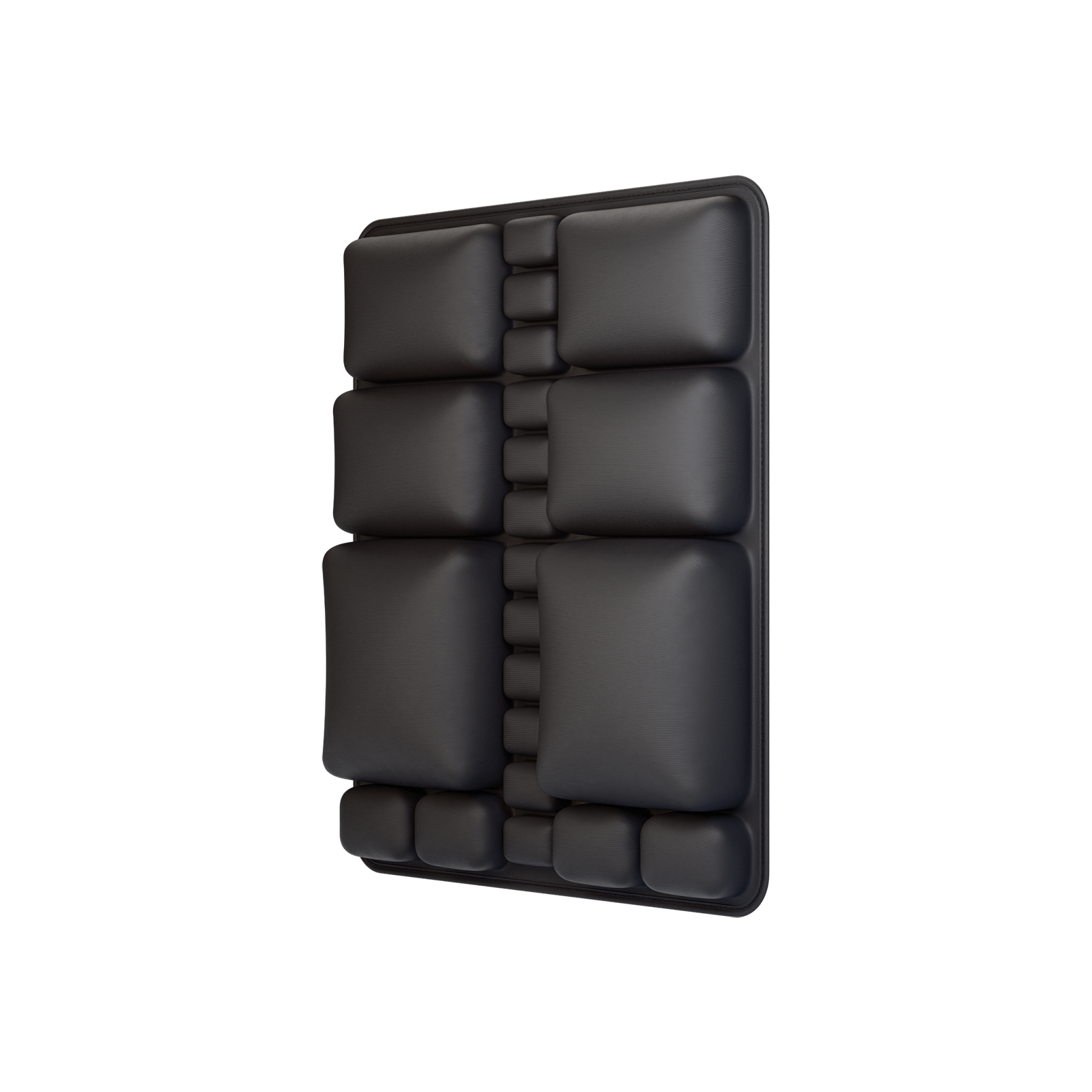
Figure 1: Validating Press Stroke Parallelism When Transferring Dies to New Suppliers – Technical design & quality verification.
2. Engineering Root Causes & Failure Analysis
The tool transfer protocol requires sweeping the machine bed with dial test indicators across four quadrants, leveling the platen within $\pm 0.02 ext{mm}$, and setting precision ground mechanical hard-stops before engaging the first trial stroke.
2.1 Key Mechanical & Physics Variables
Achieving stable performance requires strict adherence to physical containment principles: managing dielectric loss factors, controlling membrane tensile hoop stresses, and maintaining uniform thermal dissipation during high-frequency welding cycles. Tooling engineers must avoid sharp stress risers and balance material thickness across the assembly.
3. DFM Parameters & Quality Verification Matrix
| Engineering Variable | Governing Standard | Critical Risk Analysis | Verification Protocol |
|---|---|---|---|
| Material Barrier Specification | ASTM D1434 / ISO 15105 | Uncontrolled gas permeability causing slow pressure decay | Incoming raw film gas transmission audit |
| Weld Seam Retained Thickness | Optical Micro-Sectioning | Over-thinning along weld notch triggering shear rupture | 50x optical microscopy verification of weld notch radius and retained film stack thickness |
| Pneumatic Pressure Hold | ASTM F2095 Differential Decay | Micro-porosities passing short water-dunk inspections | 24-hour isothermal decay hold with digital manometer |
| Dynamic Fatigue Durability | ASTM F392 / ASTM F1566 | Premature seam fatigue under repetitive human loading | Cyclic indentation rig (10,000+ cycles) |
4. Frequently Asked Questions (FAQ)
Q: How do engineers prevent micro-leakage during high-volume production scaling?
A: By enforcing closed-loop High-Frequency generator parameters, precision CNC electrode maintenance, ISO Class 8 cleanroom valve assembly, and 100% dry differential pressure decay quality gates.
Q: Why are pure Polyether TPU films favored over PVC or polyester blends?
A: Polyether TPU offers complete immunity to hydrolytic degradation and microbial growth in humid seating microclimates, contains zero migrating liquid plasticizers, and maintains elastic flexibility down to sub-zero temperatures.
5. Actionable Next Steps for Technical & Sourcing Teams
Contact Airjour's specialized flexible pneumatics engineering team to evaluate your CAD designs, audit your current supplier tooling, or coordinate a certified pilot qualification run.