1. Overview & Operational Problem
Next-generation ergonomic comfort systems—such as active-contouring automotive seats, dynamic wheelchair pressure relief platforms, and smart sleep surfaces—rely on closed-loop pneumatic control. Micro-controllers monitor user interface pressure in real time and trigger micro-pumps or solenoid release valves to maintain optimal pressure distribution.

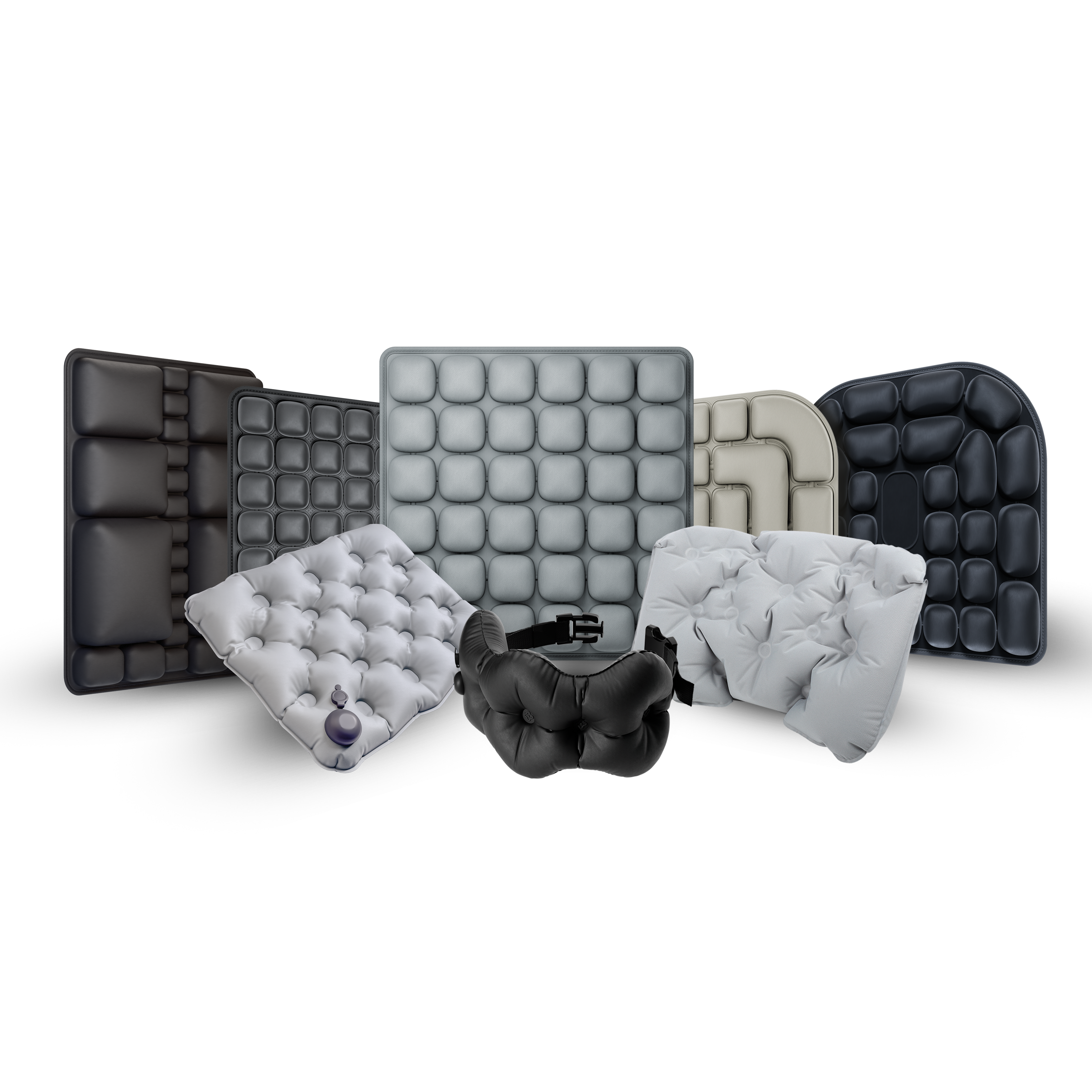
Figure 1: Pressure Transducer Integration for Smart Pneumatic Ergonomic Systems – Industrial engineering & quality implementation.
2. Engineering Root Causes & Failure Analysis
However, transitioning a passive inflatable bladder into an active 'smart' pneumatic chamber introduces substantial reliability hurdles. Embedding rigid electronic pressure sensors and flexible circuit traces directly into a soft, continuously flexing elastomer bladder creates mechanical stress risers, micro-leak pathways, and electrical fatigue failures.
1. Direct Transducer Embedding vs Remote Pneumatic Tapping
Engineers must decide whether to mount miniature MEMS pressure transducers directly inside the air chamber or route external micro-lumen pneumatic tubing to a centralized remote PCB. Direct internal mounting eliminates external tubing runs but requires passing electrical conductors through the hermetic bladder boundary via specialized welded TPU flex-ribbons.
2. Flexible PCB Dielectric Sealing and Strain Relief
When flexible printed circuits (FPC) penetrate high-frequency weld seams, the copper traces and polyimide substrate must be encapsulated in a weldable TPU over-laminate. Without structural strain-relief transitions, cyclic bending of the soft bladder kinks the copper traces, causing open-circuit electrical failures.
3. Barometric vs Gauge Pressure Sensor Selection
Sensors must be selected based on environmental operating conditions. Absolute barometric sensors require ambient atmospheric offset calibration in software, whereas vented gauge sensors require an external atmospheric reference tube that must be protected against moisture and particulate ingress.
3. DFM Parameters & Sourcing Verification Matrix
| Integration Architecture | Hermetic Sealing Complexity | Cyclic Flex Durability | Packaging Footprint | Best Application |
|---|---|---|---|---|
| Remote Tube Tapping | Low (Standard barbed RF port) | High (Electronics isolated from cushion flex) | Requires external manifold space | Automotive seating, multi-chamber beds |
| Internal FPC Sealed Pass | High (TPU-to-polyimide bond) | Moderate (Requires strict strain-relief) | Ultra-compact (All-in-one assembly) | Wearable therapy, portable seating |
| Overmolded Puck Transducer | Moderate (Molded TPU carrier weld) | Very Good (Rigid electronics potted) | Localized stiff spot in bladder loft | Clinical wheelchair pressure monitors |
4. Frequently Asked Questions (FAQ)
Q: Can High-Frequency welding damage sensitive MEMS sensor silicon?
A: Yes. The 27.12 MHz high-voltage RF field can induce destructive eddy currents and electrostatic discharge (ESD) in unshielded micro-electronics. Sensor components must be shielded or welded using secondary thermal-impulse fixtures.
Q: What pressure range is typical for ergonomic seating sensors?
A: Ergonomic comfort bladders operate at low pressure heads, typically ranging from 0.2 to 3.0 PSI (1.4 to 20.7 kPa gauge), requiring high-sensitivity piezoresistive sensors with low noise floors.
5. Actionable Next Steps for Technical Teams
Engage Airjour's mechatronics engineering group to co-develop hermetic smart bladder integrations for your active seating program.