1. Overview & Operational Problem
Brand sourcing managers are often tempted by hybrid TPU/PVC alloy films or low-cost flexible vinyls that promise 'TPU performance at half the price.' However, products manufactured with plasticized flexible films frequently suffer catastrophic chemical degradation in the field: after 6 to 18 months of storage, bladders develop sticky, oily surfaces, emit strong chemical odors, and become brittle and prone to spontaneous seam cracking.

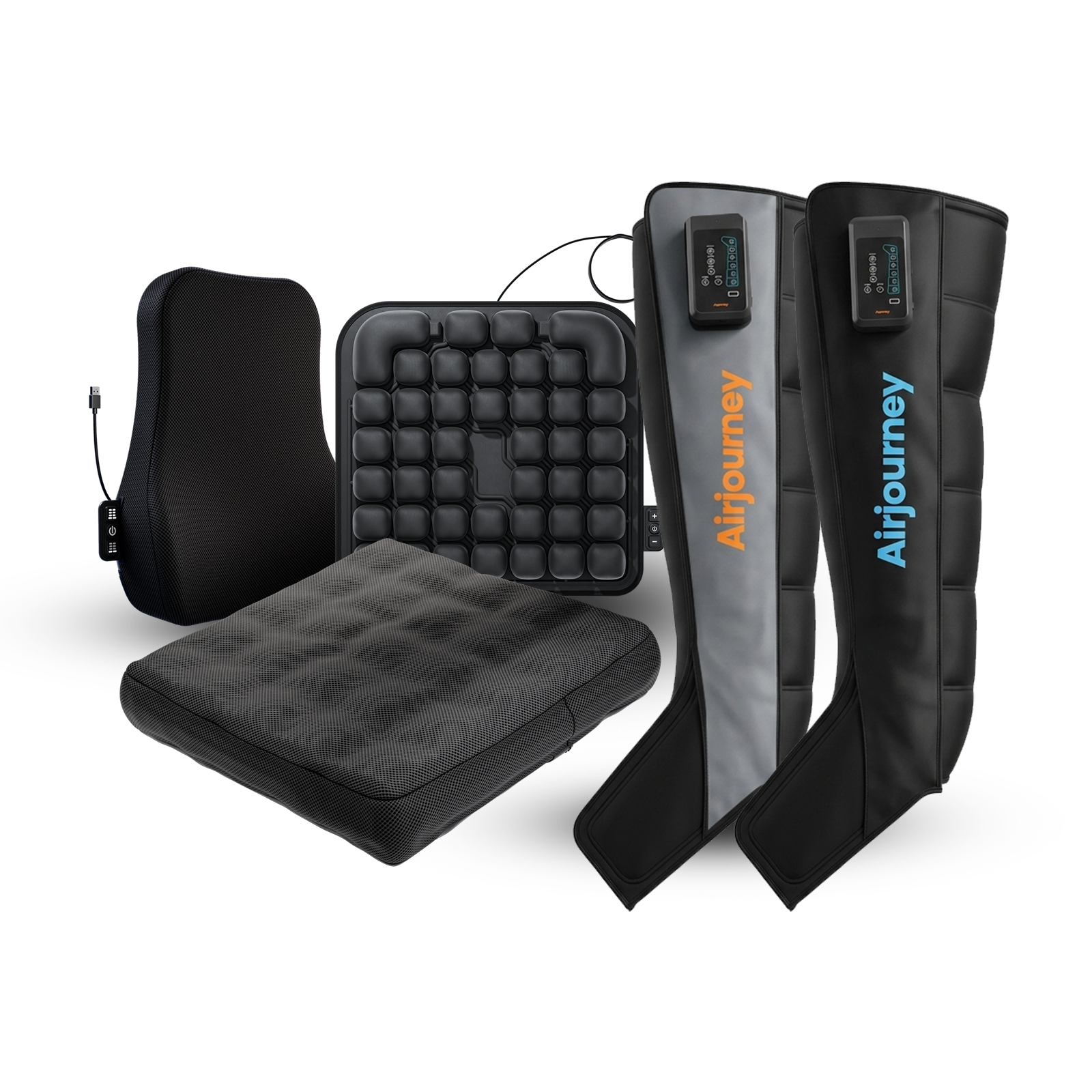
Figure 1: Preventing Plasticizer Migration and Surface Stickiness in Co-Extruded TPU/PVC Blends – Engineering and manufacturing implementation.
2. Engineering Root Causes & Failure Analysis
This breakdown is driven by Plasticizer Migration: the inevitable thermodynamic diffusion of low-molecular-weight liquid plasticizers (such as ortho-phthalates or adipates) out of the amorphous polymer matrix toward the surface. In addition to degrading mechanical elasticity, migrating plasticizers foul internal valve seals, stain retail packaging, and trigger severe consumer regulatory violations under REACH, RoHS, and California Proposition 65.
1. Diffusion Kinetics of Monomeric Plasticizers (Fick's Second Law)
Plasticizers are not chemically bonded to the polymer chains; they are physically dispersed to lower glass transition temperature. Over time and accelerated by ambient heat, plasticizer molecules diffuse outward governed by Fick's Second Law. As the plasticizer bleeds out, the polymer substrate stiffens, losing elongation and cracking along high-frequency weld boundaries.
2. Regulatory Compliance Liabilities: Phthalate Bans and Prop 65
Global retail platforms and enterprise buyers enforce strict limits (< 1,000 ppm) on restricted phthalates (DEHP, DBP, BBP, DIBP). Low-cost PVC blends frequently contain uncertified plasticizers that fail third-party lab testing (GC-MS screening per CPSC-CH-C1001-09.4), resulting in retail shipment recalls and customs seizures.
3. The 100% Plasticizer-Free Solution: Pure Thermoplastic Polyurethane
The permanent engineering solution is transitioning to 100% virgin Thermoplastic Polyurethane (TPU). TPU derives its flexibility from its chemical molecular structure—alternating hard urethane segments and soft polyether/polyester segments—completely eliminating the need for liquid plasticizers. Pure TPU never bleeds, remains flexible down to -40°C, and is inherently compliant with global medical and consumer environmental standards.
3. DFM Parameters & Verification Matrix
| Polymer System | Plasticizer Mechanism | Migration / Stickiness Risk | Regulatory Status (REACH/Prop 65) | Long-Term Reliability |
|---|---|---|---|---|
| Standard Plasticized PVC | Monomeric phthalate liquids (DEHP/DINP) | Severe (Sticky surface within 12 months) | High risk (Restricted phthalate bans) | Poor (Embrittlement and crack failure) |
| Phthalate-Free PVC (DOTP) | Non-phthalate monomeric esters | Moderate-High (Bleeds under summer heat) | Compliant but prone to surface haze | Fair (Eventual stiffness increase) |
| TPU / PVC Polymer Alloy | Partial internal / external plasticizers | Moderate (Slow oily exudation) | Requires constant lot-by-lot screening | Moderate (Inconsistent weld strength) |
| 100% Virgin Polyether TPU | Zero plasticizers (Inherent soft segment) | Zero (Chemically dry surface forever) | Fully compliant (REACH, RoHS, FDA Class VI) | Exceptional (Retains elasticity > 10 years) |
4. Frequently Asked Questions (FAQ)
Q: How can a quality inspector detect plasticizer migration before assembly?
A: Perform an accelerated volatile loss and exudation test per ASTM D1203 (heating samples at 70°C for 24 hours in activated carbon) and verify mass loss remains < 1.0%.
Q: Why does migrating plasticizer cause valve leakage?
A: The oily exudate coats the silicone flapper and valve seat, collecting dust particles and degrading the elastomeric surface tension required for airtight sealing.
5. Actionable Next Steps for Technical Teams
Consult Airjour's materials laboratory to audit your film specifications and convert legacy PVC designs to certified plasticizer-free TPU.