1. Overview & Operational Problem
In the era of e-commerce fulfillment (such as Amazon FBA, DTC couriers, and big-box distribution centers), packaged inflatable comfort products are subjected to severe handling shocks. A packaged air cushion or portable mattress may survive ocean container transit, only to fail ISTA drop testing when shipped as an individual parcel. Boxes split along corners, internal molded valve stems shatter against outer walls, and tight vacuum seals rupture.

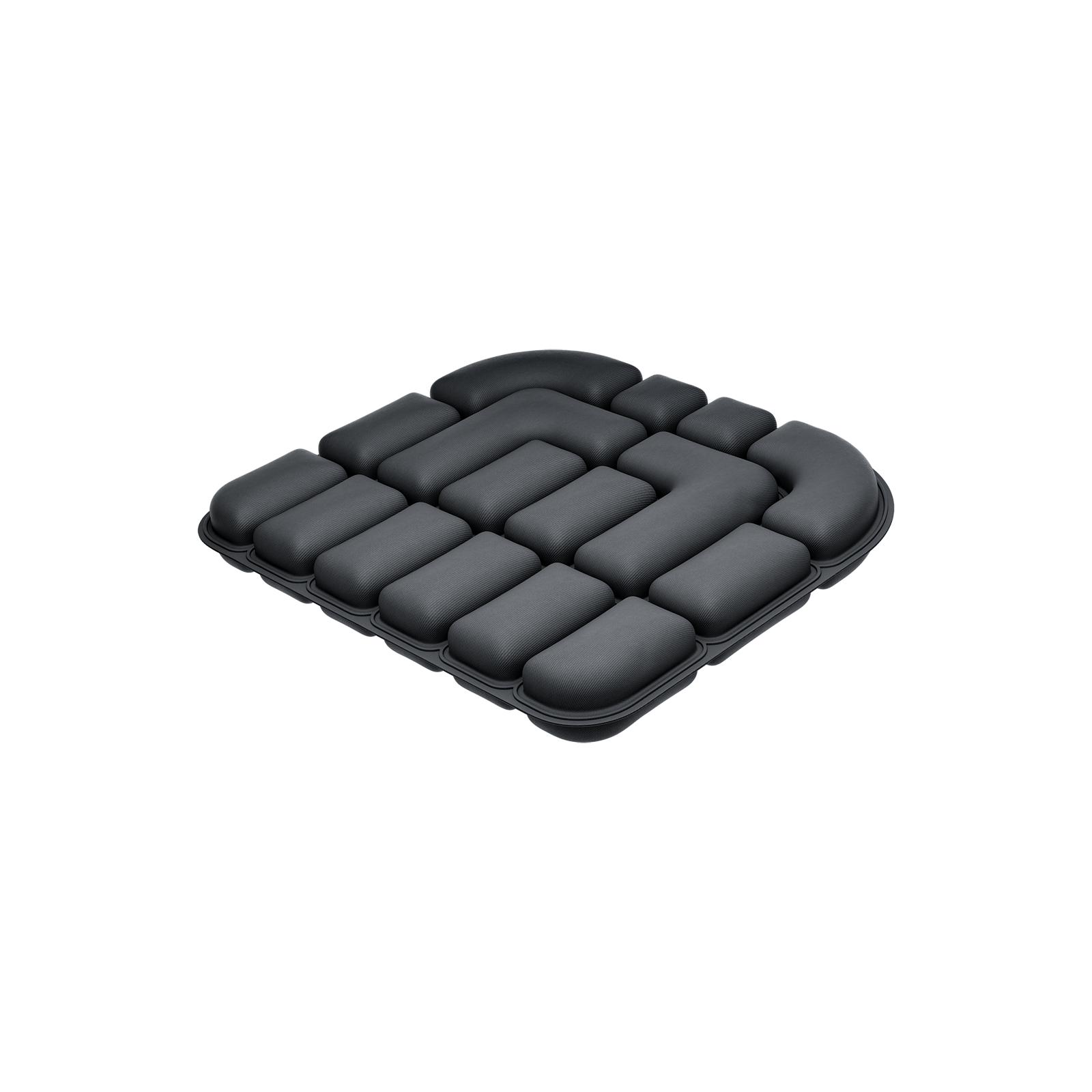
Figure 1: Retail Drop-Testing Protocols: Preventing Carton Rupture in E-Commerce Fulfillment – Engineering and manufacturing implementation.
2. Engineering Root Causes & Failure Analysis
Failing retail packaging compliance triggers severe penalties: rejected warehouse receipts, chargeback fees, and high customer return rates due to damaged goods. Packaging engineers must design retail master cartons and internal corrugated shock baffles in compliance with rigorous International Safe Transit Association (ISTA) drop standards.
1. The ISTA 1A / 2A Drop Test Sequence
ISTA 2A testing subjects the packaged product to a calibrated drop sequence from a height of 30 to 38 inches (depending on carton gross weight). The package must survive 10 consecutive drops: one drop on the most fragile corner, three drops on radiating edges, and six drops on flat faces onto a flat, unyielding concrete floor.
2. Valve Stem Impact Decoupling and Corner Buffers
The most vulnerable component in a packaged inflatable product is the molded TPU or ABS valve stem. If the product is folded so that the valve stem rests directly against an outer carton face, impact energy transfers directly into the valve body, cracking the weld flange or snapping the cap hinge. The valve must be folded inward into the cushion core, protected by at least 25mm of rolled membrane buffer.
3. Corrugated Box Flute Selection and Edge Crush Resistance (ECT)
Standard single-wall B-flute cartons lack sufficient vertical column strength when stacked six pallets high in humid fulfillment centers. Upgrading to C-flute or double-wall BC-flute corrugated board with a minimum Edge Crush Test (ECT) rating of 32 to 44 lbs/in ensures box corners do not buckle during impact.
3. DFM Parameters & Verification Matrix
| ISTA Test Parameter | Standard Requirement | Observed Package Failure | Engineering Packaging Fix |
|---|---|---|---|
| Drop Height | 38 Inches (Carton < 21 lbs) | Carton corner splits open | Upgrade corner glue tabs & reinforce tape |
| Valve Orientation | Impact directly on valve face | Valve stem cracks or puncture film | Inward fold rule: valve shielded inside core |
| Compression Stack | ASTM D642 Static load | Lower cartons crush under pallet weight | Specify ECT 44 double-wall corrugated board |
| Vibration Profile | ISTA 2A Random Vibration (1 hr) | Abrasion scuffing on glossy packaging | Insert poly-bag liner to prevent surface chafing |
4. Frequently Asked Questions (FAQ)
Q: Why should packaged inflatable goods never be vacuum-sealed rock hard?
A: Vacuum-sealing a bladder into a rigid rock-hard brick concentrates impact energy; maintaining slight compliance allows the folded material to absorb shock elastically during carton drops.
Q: What is the difference between ISTA 1A and ISTA 3A testing?
A: ISTA 1A is basic non-simulation integrity testing, while ISTA 3A is advanced general simulation testing specifically designed for single-parcel e-commerce courier networks.
5. Actionable Next Steps for Technical Teams
Engage Airjour's retail compliance team to review and certify your inflatable packaging configurations to ISTA standards.