1. Overview & Operational Problem
The transition from passive manual-bulb inflatables to active, automated comfort hardware—such as smart lumbar systems, dynamic motorcycle seats, and therapeutic compression pads—hinges on selecting the right micro-pump. An improper pump selection can ruin an otherwise brilliant product: if the pump is too loud, users find it irritating; if flow rate is insufficient, inflation feels sluggish; if stall pressure is weak, the cushion cannot inflate under user body weight.

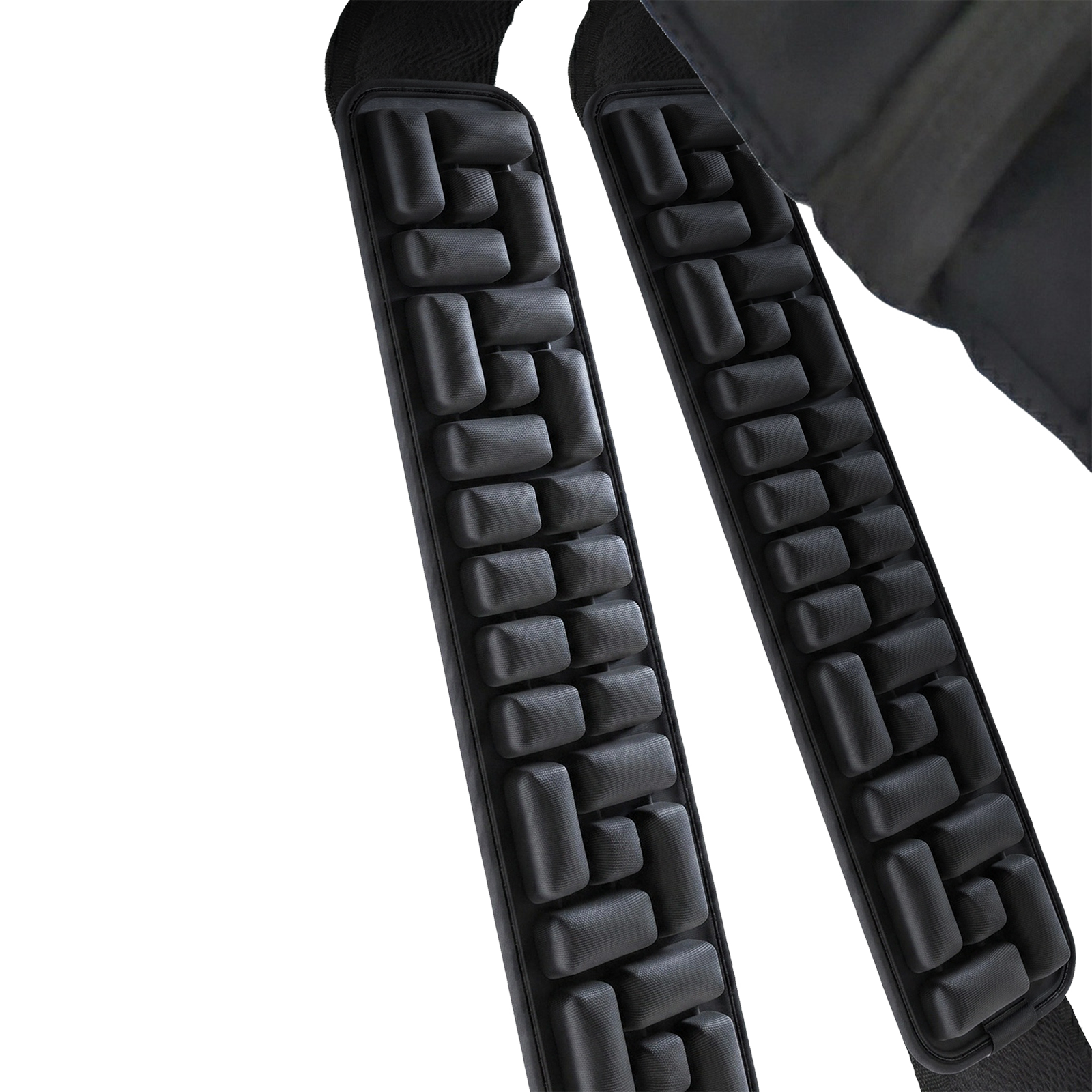
Figure 1: Selecting Automated Pneumatic Pumps: Micro-Diaphragm vs Piezoelectric vs Centrifugal – Engineering and manufacturing implementation.
2. Engineering Root Causes & Failure Analysis
Engineers must evaluate the trade-offs between three primary micro-pump technologies: miniature DC diaphragm pumps, ultrasonic piezoelectric pumps, and miniature rotary centrifugal blowers. Matching pneumatic impedance to motor mechanics is essential for battery life, acoustic stealth, and long-term reliability.
1. Micro-Diaphragm Pumps: High Pressure Workhorses
Micro-diaphragm pumps utilize an eccentric motor shaft driving a flexible rubber diaphragm against check valves. They deliver high stall pressures (often > 25 PSI / 170 kPa), easily overcoming the high backpressure of a seated passenger. However, motor vibration and mechanical pulsation generate audible noise (45–60 dBA) that requires acoustic foam isolation and silicone elastomeric suspension.
2. Ultrasonic Piezoelectric Pumps: Whisper-Quiet Miniaturization
Piezoelectric pumps utilize a ceramic disc that vibrates at ultrasonic frequencies (> 20 kHz) to pump air. They have zero rotating parts, produce virtually inaudible acoustic signatures (< 20 dBA), and feature ultra-slim profiles (< 4mm thick). However, their flow rates are low (typically 0.3 to 1.0 L/min) and stall pressure is limited, making them best suited for micro-lumbar adjustments rather than rapid full-cushion inflation.
3. Miniature Rotary Blowers: High Flow at Low Pressure
Miniature brushless centrifugal blowers move high volumes of air (10 to 30+ L/min) within seconds, ideal for rapid initial deployment of large camping pads. However, they generate negligible static head (< 1.5 PSI) and stall completely when subjected to seated human body weight.
3. DFM Parameters & Verification Matrix
| Pump Technology | Max Flow Rate (L/min) | Max Stall Pressure (PSI) | Acoustic Noise (dBA at 1m) | Expected MTBF Lifespan | Best System Role |
|---|---|---|---|---|---|
| DC Micro-Diaphragm | 1.0 - 3.5 L/min | 15 - 35 PSI (High head) | 45 - 58 dBA (Audible buzz) | 3,000 - 5,000 Hours | Automotive lumbar, high-load seating |
| Ultrasonic Piezoelectric | 0.3 - 1.2 L/min | 3.0 - 6.0 PSI (Moderate) | < 22 dBA (Virtually silent) | > 10,000 Hours | Wearable wellness, smart sleep pads |
| Miniature DC Rotary Blower | 15 - 40 L/min | 0.3 - 1.0 PSI (Very low) | 50 - 65 dBA (Air whoosh) | 2,000 - 4,000 Hours | Rapid rapid-fill camping mattresses |
| Linear Resonant Pump | 2.0 - 5.0 L/min | 5.0 - 10.0 PSI (Balanced) | 30 - 38 dBA (Low hum) | > 8,000 Hours | Medical alternating pressure systems |
4. Frequently Asked Questions (FAQ)
Q: How do engineers damp acoustic noise from micro-diaphragm pumps?
A: By implementing dual-chamber expansion mufflers on the air intake/exhaust ports and isolating the pump body inside a molded silicone suspension boot decoupled from the product chassis.
Q: What happens if a pump operates against a stalled user load?
A: Motor current spikes, causing thermal overheating and rapid degradation of internal elastomeric flapper valves unless the controller incorporates a stall-detection cutoff circuit.
5. Actionable Next Steps for Technical Teams
Engage Airjour's mechatronics team to select, benchmark, and integrate the optimal micro-pneumatic pump for your hardware PRD.