1. Overview & Operational Problem
In high-volume consumer, retail, or medical equipment supply chains, relying on a single set of High-Frequency welding dies is one of the highest operational risks a sourcing team can take. If a dielectric arc strikes the single active electrode, pitting the brass or frying the generator tank circuit, production halts entirely. Repairs often take 2 to 3 weeks, paralyzing deliveries during peak holiday or commercial launch windows.

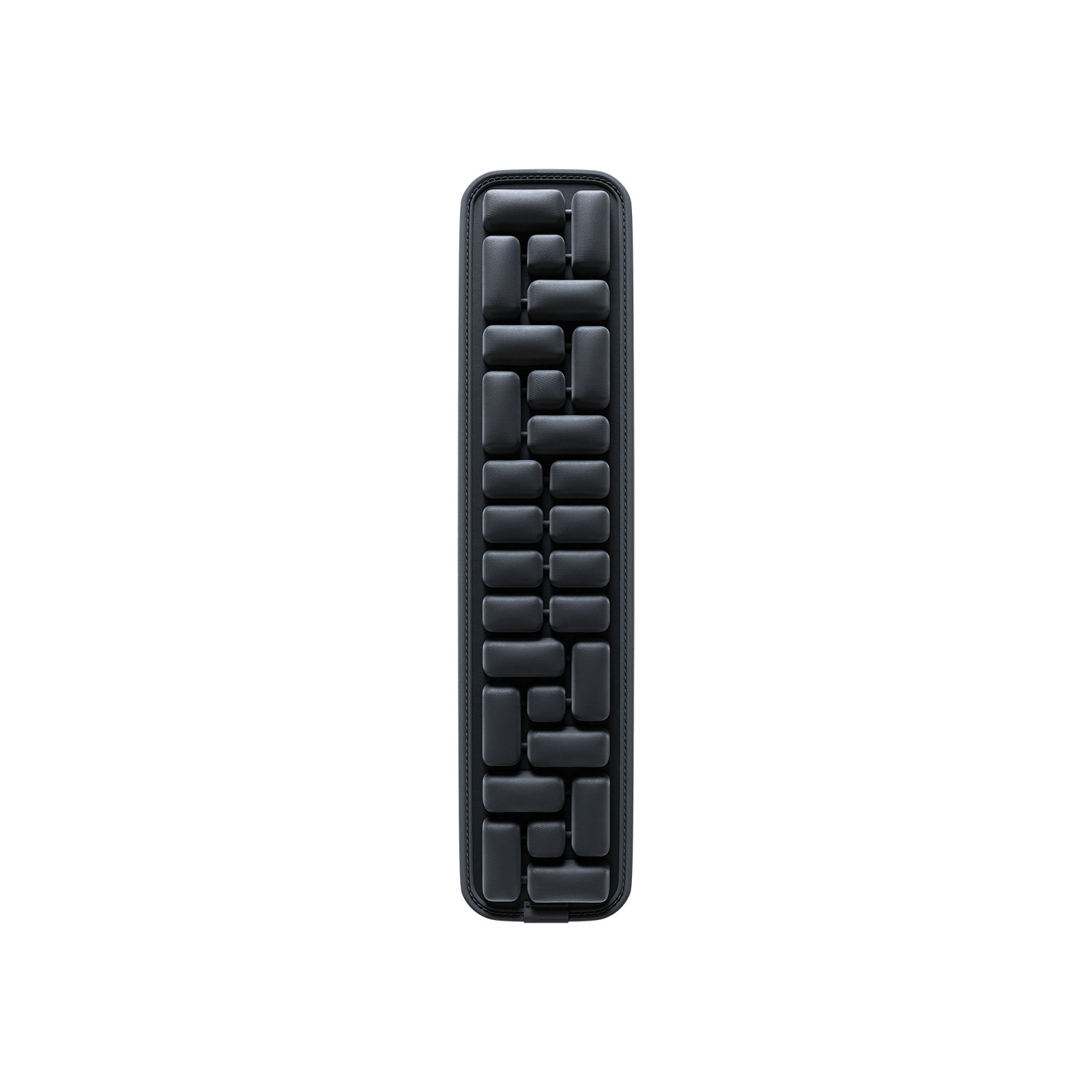
Figure 1: Why Sourcing Teams Require Dual-Cavity Redundancy in High-Volume Inflatables – Industrial engineering & manufacturing implementation.
2. Engineering Root Causes & Physics of Failure
Forward-thinking procurement directors mandate dual-tooling redundancy (commissioning identical primary and secondary tooling sets, or investing in dual-cavity modular dies) as a standard risk-mitigation policy. While requiring upfront tooling CapEx, redundancy secures continuous supply, enables planned tool maintenance, and provides burst manufacturing capacity.
1. The True Cost of Unplanned Tooling Downtime
A high-speed automated RF line running at 300 units per hour represents significant revenue. A catastrophic dielectric flashover that pits the electrode requires stripping the tool, CNC re-facing, bench polishing, and re-tuning. Sourcing teams face ocean freight cancellations, retail chargebacks, and lost market share that dwarf initial tooling capital costs.
2. Planned Preventative Maintenance (PM) Rotations
Precision RF electrodes require regular preventative maintenance: cleaning carbon deposits, re-facing ground plates, verifying platen flatness, and replacing worn chilled-water seals. Dual-tool redundancy allows the factory to cycle Tool Set A into the toolroom for maintenance while Tool Set B maintains 100% operational output.
3. Surge Capacity Planning for Seasonal Retail Peaks
During peak production quarters (Q2 for outdoor camping goods, Q3 for holiday retail), dual-tool sets can be mounted simultaneously across two parallel automated press lines, instantly doubling container dispatch capacity without lead-time friction.
3. DFM Parameters & Sourcing Verification Matrix
| Tooling Strategy | Initial CapEx Investment | Supply Disruption Risk | Peak Season Agility |
|---|---|---|---|
| Single-Cavity Dedicated Die | Baseline (1.0x) | Critical (Single-point catastrophic failure) | Inflexible (Fixed line speed constraint) |
| Dual-Tool Backup Set (1+1) | Moderate (~ 1.6x - 1.8x) | Extremely Low (Immediate line failover) | High (Parallel line capacity activation) |
| Dual-Cavity Multi-Impression | Moderate-High (~ 1.5x) | Moderate (Tool damage halts both cavities) | High (Doubles parts produced per press stroke) |
| Geographically Split Tooling | High (~ 2.0x) | Zero (Protects against regional factory shutdown) | Optimal (Dual-hub manufacturing capability) |
4. Frequently Asked Questions (FAQ)
Q: How much does a duplicate backup die typically cost?
A: Because CAM engineering, cutter path programming, and DFM are completed for the first tool, machining a duplicate backup die typically costs 30% to 40% less than the initial primary die.
Q: How do you ensure duplicate tools produce identical product feel?
A: By machining both electrodes on the same CNC mill using identical cutter paths and executing simultaneous First Article Inspection (FAI) calibration against the approved golden sample.
5. Actionable Next Steps for Technical Teams
Speak with Airjour's commercial operations team to evaluate tooling redundancy options and protect your production continuity.