1. Overview & Engineering Context
When developing an inflatable comfort product or optimizing an existing line for cost reduction, the internal structural architecture dictates more than 40% of the total manufacturing cost. Product developers often sketch intricate interior baffles without realizing how dramatically internal geometries influence tooling capital expenditure (CapEx), cycle times, and scrap rates.

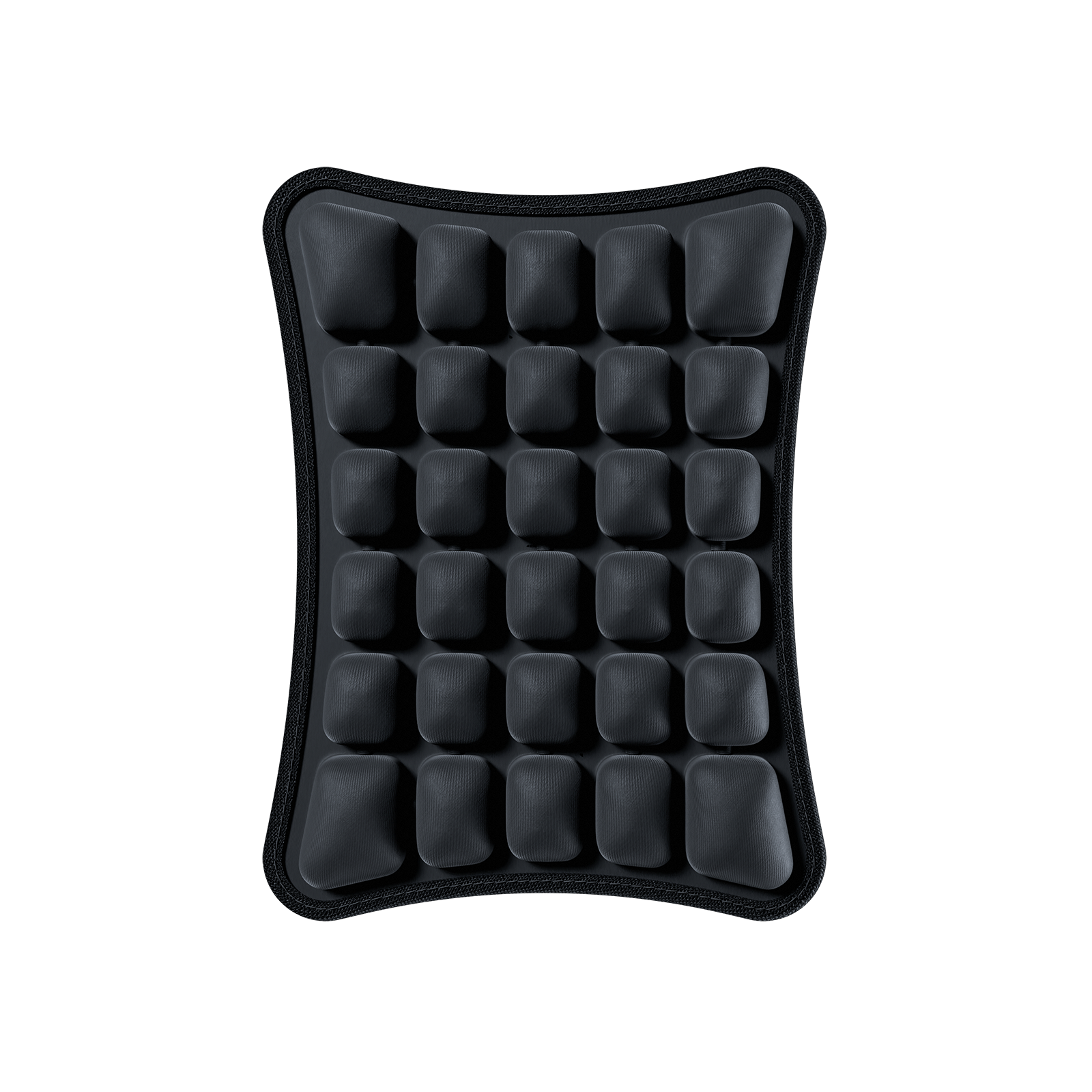
Figure 1: Unit Cost Trade-Offs in Inflatable Baffles: I-Beam Internal Webs vs Direct-Welded Chamber Matrices – Industrial design and quality implementation.
2. Failure Mechanics & Technical Analysis
Choosing between direct point-welded matrix cells, linear I-beam web ribbons, and high-pressure drop-stitch cores requires balancing surface flatness requirements against strict bill-of-materials (BOM) constraints. A disciplined value engineering review can often cut unit production costs by 15% to 30% while preserving user comfort.
1. Direct Surface Point-Welding: The Low-Cost Baseline
Direct point-welding (dimple or circular welds joining the top and bottom sheets directly together) requires the simplest two-part HF tooling dies and a single weld cycle. However, it creates a deeply contoured, quilted surface that requires an external foam overlay to achieve a flat seating profile.
2. Suspended I-Beam and Box Baffle Architecture
I-beam baffles insert vertical ribbons of TPU or fabric between the upper and lower surfaces, creating a substantially flatter support plane. Manufacturing requires multi-step welding: tacking ribbons to the base sheet, followed by a second alignment pass to fuse the top surface, increasing labor cycle times and tooling complexity.
3. Sourcing Decision Framework: Matching Geometry to Budget
For high-volume retail price points, point-weld matrix bladders combined with low-cost open-cell toppers deliver optimal ergonomics per dollar. For high-end adjustable mattresses or specialized medical pads, investment in multi-cavity I-beam tooling is amortized over long production runs.
3. DFM Parameters & Verification Matrix
| Baffle Architecture | Tooling CapEx | Labor Cycle Time | Surface Flatness | Best Cost-Volume Fit |
|---|---|---|---|---|
| Direct Point-Weld Array | Low (Single-stage CNC die) | Fastest (Single RF press cycle) | Quilted / Deep valleys | High volume / Value-tier seating |
| Suspended TPU I-Beam | Moderate-High (Multi-die fixtures) | Moderate (2-stage welding assembly) | Flat / Uniform height | Premium outdoor & medical mattresses |
| Internal Fabric Truss Web | High (Precision alignment jigs) | Slower (Manual ribbon placement) | Superior planar stability | Technical seating & aircraft cushions |
| 3D Drop-Stitch Core | Very High (Specialized composite looms) | Automated fabric core; edge weld only | Rigid flat plane (High PSI) | Ultra-thin high-pressure platforms |
4. Frequently Asked Questions (FAQ)
Q: Can direct point-welds be replaced with I-beams without changing overall dimensions?
A: Yes. The perimeter profile remains identical, but the internal thickness expands more uniformly, often allowing a reduction in nominal inflation pressure.
Q: How does baffle complexity impact factory defect rates?
A: Every additional internal weld pass doubles the probability of an internal leak. I-beam assemblies require tighter process controls than single-shot point-weld designs.
5. Next Steps for Engineering & Sourcing Teams
Request a manufacturing value engineering review from Airjour to optimize your bladder baffle architecture for lower unit costs and higher yield.