1. Overview & Operational Problem
As product categories mature and retail competitors enter the market, brand leaders face intense margin compression on their flagship inflatable comfort lines. Sourcing directors are tasked with cutting 10% to 20% out of unit manufacturing costs. However, crude cost-cutting—such as demanding price concessions from suppliers or switching to cheap unverified film—invariably leads to soaring warranty return rates, valve failures, and brand erosion.

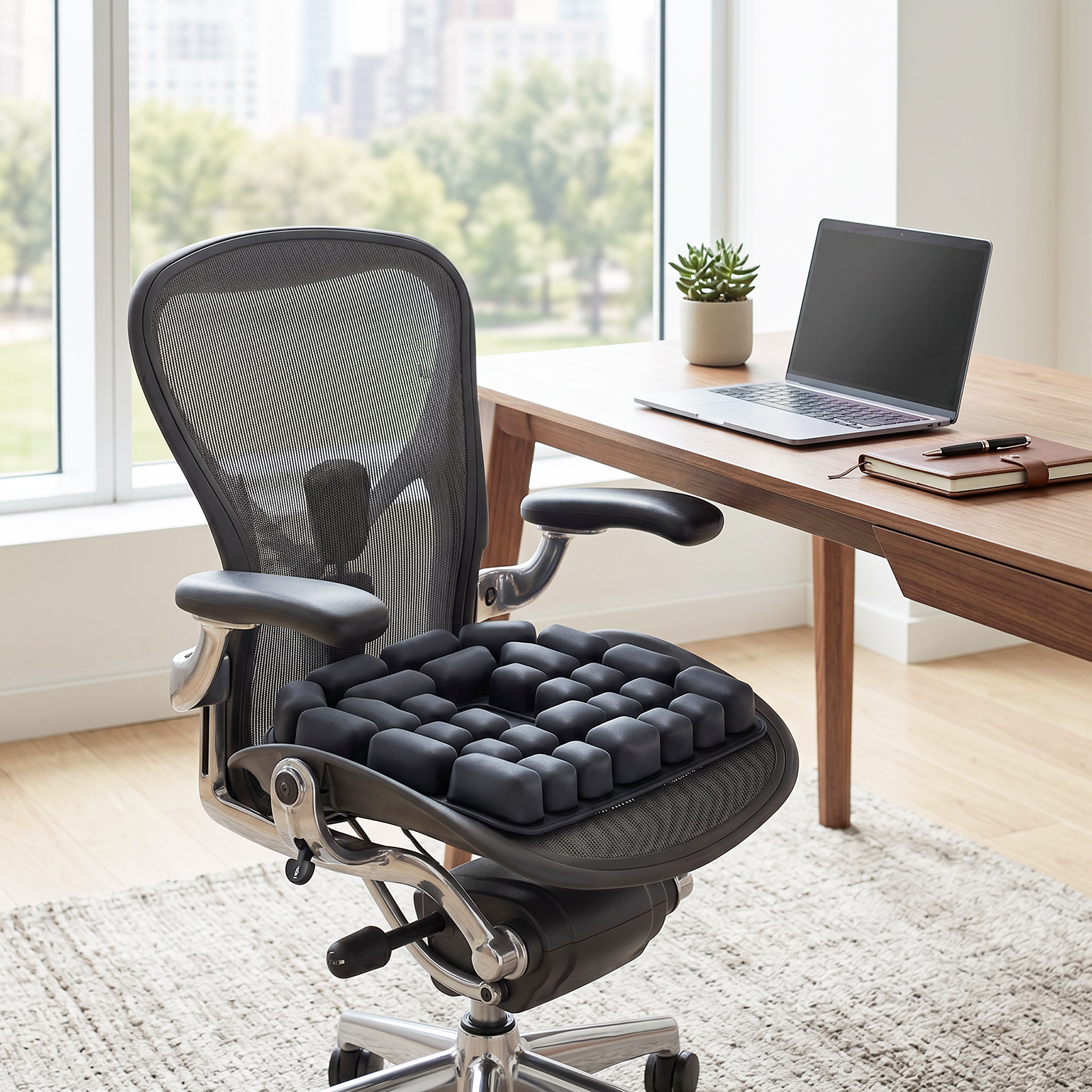
Figure 1: Value Engineering an Inflatable Comfort Product: A 15% Bill-of-Materials Reduction Roadmap – Industrial engineering & quality implementation.
2. Engineering Root Causes & Failure Analysis
True Value Engineering (VE) is a disciplined technical process. By re-examining raw material nesting yields, optimizing film gauge thickness, standardizing valve flange geometries, and transitioning to multi-impression automated tooling, brands can achieve substantial, sustainable unit cost reductions while preserving product performance.
1. Raw Material Nesting Optimization: Cutting the Scrap Factor
Raw TPU film represents 35% to 50% of total product BOM. In traditional manual die cutting, rectangular blanks yield 25% to 35% scrap webbing. By algorithmically optimizing interlocking perimeter curves in CAD and switching to automated optical-nesting roll-fed cutters, scrap rates can be slashed to under 12%, immediately reducing raw material cost by 8% to 12%.
2. Gauge Rationalization and Asymmetric Film Laminates
Many products over-engineer non-critical surfaces by using heavy 0.40mm film everywhere. Implementing asymmetric construction—using durable 0.40mm film on the bottom abrasion-prone surface while specifying 0.25mm or 0.30mm film on the top contouring surface—reduces resin consumption by 15% while improving seating compliance and packability.
3. Cycle Time Reduction via Multi-Impression High-Frequency Tooling
Labor and machine depreciation represent another 25% of unit cost. Transitioning from a single-cavity manual shuttle press (producing 45 units/hour) to an automated dual-cavity rotary platen press (producing 120+ units/hour) cuts direct labor cost per unit by more than 40%.
3. DFM Parameters & Sourcing Verification Matrix
| Value Engineering Lever | Technical Implementation | Direct BOM / Cost Impact | Quality / Warranty Risk |
|---|---|---|---|
| CAD Nesting Optimization | Interlocking curve re-design & CNC roll-feed | 8% - 12% reduction in raw film spend | Zero (Identical finished product) |
| Asymmetric Film Stack | 0.40mm bottom / 0.28mm top surface | 10% - 15% reduction in polymer resin cost | Low (Maintains puncture resistance on base) |
| Tooling Impression Doubling | Single-die to dual-cavity automated press | 30% - 40% reduction in direct assembly labor | Zero (Requires precision platen tuning) |
| Valve Flange Standardization | Pre-tooled standard valve vs custom mold | Eliminates custom injection mold amortization | Zero (Utilizes field-proven components) |
| Packaging Master Carton Cube | Mandrel roll-pack reduces carton cube by 22% | 15% - 25% savings in container shipping costs | Zero (Eliminates sharp crease leaks) |
4. Frequently Asked Questions (FAQ)
Q: Can thinner top film compromise burst safety?
A: No, provided the bottom base film and internal weld seams maintain adequate land width; the burst limit is determined by seam peel strength rather than membrane tensile yield at standard comfort pressures.
Q: How much volume is required to justify dual-cavity automated tooling?
A: A dual-cavity automated tooling upgrade typically amortizes within 15,000 to 25,000 units based on labor savings and reduced machine cycle times.
5. Actionable Next Steps for Technical Teams
Schedule an Inflatable Value Engineering Review with Airjour's design-to-cost specialists to unlock 15%+ BOM savings.